Hyderabad's Ramzan Cuisine Undergoes a Flavorful Transformation
In Hyderabad, the Muslim month of fasting, Ramzan, is witnessing a significant shift in culinary preferences among locals. Over recent years, the Hyderabadi palate has embraced change, and this season, at least half a dozen novel and exotic dishes have made their debut in the city's vibrant food scene.
New Additions from the Arab World
While recipes associated with the Prophet were introduced last Ramzan, this year has seen the entry of several Arabic dishes into Hyderabad's cuisine. Many existing Hyderabadi dishes originated outside the city but were adapted to suit local tastes. The latest exotic foods set to become staples include:
- Majbosa or Majboos: A one-pot rice dish with meat, particularly from Bahrain.
- Khamia: A Saudi dessert made from milk, ghee, sugar, and bread.
- Aseed: A Yemani dish consisting of wheat flour eaten with lamb broth.
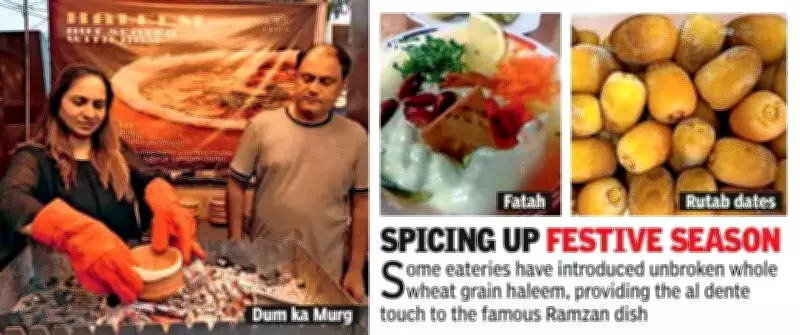
- Fatah: Available in savory versions with flat bread and meat broth, or sweet variations with banana and dates.
Local favorites like Hyderabadi haleem have also evolved, with new variations such as dum ki haleem, haleem shots, and sabit gehun ki haleem made from unbroken whole wheat grains. Date pickle is gaining popularity, and frozen rutab dates from Saudi Arabia made their commercial debut in Hyderabad this Ramzan, selling for over Rs 600 per 800-gram box.

Global Influences and Changing Tastes
Turkish and Afghan iftars have become common as Hyderabadis seek variety in their routine menus. Although new dishes introduced this year may not yet rival earlier hits like mandi, kabsa laham, and shawarma, street food vendors report positive feedback from first-time tasters. Eateries in areas like Tolichowki, Jahnuma, Charminar, Chandrayangutta, and Barkas are experimenting with these cuisines on a trial basis.
Food connoisseur B Moinuddin notes, "Hyderabadis are experimenting with new foods." He explains that dishes introduced in the past decade, such as mandi and shawarma, have gained immense popularity and even challenge traditional biryani. "Many Hyderabadis want a change in the menu," he adds, highlighting why Arabic foods are trending this Ramzan.
Specific Dishes and Their Origins
Frozen rutab dates, previously available only in the Arab world, especially Mecca and Madina, have taken Hyderabad by storm. Arabic dishes, particularly Yamani foods like savory and sweet fatah, are now found in roadside eateries in Barkas Salala. Additionally, Fah Desserts has introduced baklava seashells, a Turkish delight.
Other notable dishes include:
- Hamia or Hamsa: A Persian Gulf stew made with lamb or chicken.
- Majboos: As mentioned, a Bahraini rice and meat dish.
- Khamia: The Saudi dessert.
- Aseed: The Yemani wheat flour dish.
Abdullah Bamuqdad, who runs a hummus eatery, has introduced various Arabic items this Ramzan, including Majboos and donuts for Iftar. He says, "The response has been good, and we will sell these and more items next year." He attributes this trend to social media, which popularizes global cuisines and appeals to the younger generation seeking new culinary experiences.
Innovation in Traditional Dishes
Despite Hyderabadi haleem being a thick stew, some innovative eateries have created versions using unbroken whole wheat grains, adding an al dente texture to this famous Ramzan dish. This reflects the broader trend of adaptation and experimentation in Hyderabad's food culture.
Overall, Hyderabad's Ramzan cuisine is evolving with a blend of Arabic, Turkish, and Afghan influences, driven by changing consumer preferences and the impact of social media. This culinary transformation showcases the city's dynamic and inclusive food landscape.