Indian Museum Celebrates 212 Years as Kolkata's Evolving Cultural Icon
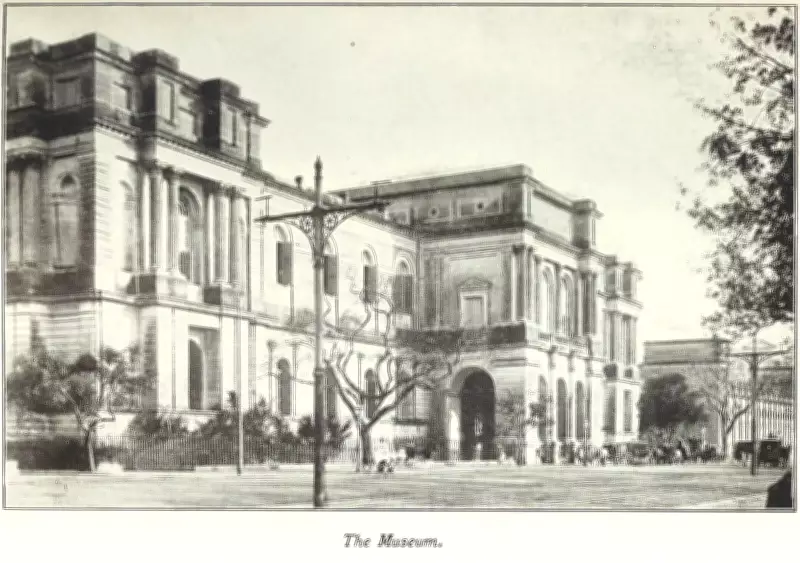
As Calcutta Times commemorates 25 years of chronicling Kolkata's narratives, attention turns to one of the city's most venerable institutions: the Indian Museum. At 212 years old, it stands among the world's oldest museums and holds the distinction of being the largest in the Asia-Pacific region. In an exclusive dialogue, director Sayan Bhattacharya articulates the institution's profound evolution.
From Preservation to Participation: A New Vision for Heritage
"We have transitioned from being mere custodians of history to active participants in cultural life," Bhattacharya reflects. "Our objective is to ensure the museum does not simply preserve the past but enables people to engage with it in meaningful and transformative ways." This philosophy marks a significant shift from the museum's original identity.
When the Indian Museum opened in 1814, it was conceived as a scholarly sanctuary—a repository for South Asia's treasures, including fossils, manuscripts, artefacts, and artworks that narrated the story of a civilization. For over two centuries, it served as a quiet guardian of knowledge, witnessing India's modern unfolding. "For a long period, our identity was firmly rooted in preservation," Bhattacharya notes. "We safeguarded history. However, museums must also communicate with their contemporary context and their communities."

Technology and Inclusivity: Breathing New Life into Ancient Halls
Today, the museum has blossomed into a living cultural space where heritage dynamically intersects with the present. Advanced initiatives include AI-based restoration projects in collaboration with IIT Kharagpur, digital kiosks, and modern displays that animate artefacts for visitors. "Our vision is centered on participatory heritage," emphasizes Bhattacharya.
The museum's commitment to inclusivity is particularly noteworthy, with galleries exclusively opened for specially-abled visitors, transforming it into a place not only to see but to feel and experience. This approach ensures that cultural access is broadened and deepened.
Dynamic Programming: A Cultural Crossroads in Action
Every month infuses the museum's marble halls with fresh rhythm and energy. Highlights include Dona Ganguly's Vasanta Utsav, a vibrant celebration of spring and classical dance, and Sahaj Parav, which honors folk and root music. Collaborative performances with organizations like Sanskar Bharati, partnerships with global embassies, and even meditation sessions have established the museum as a true cultural crossroads.
Notable events such as the Vande Mataram March and Vande Virasat concerts, led by CV Ananda Bose, have featured acclaimed artistes like Usha Uthup, Kailash Kher, and Malini Awasthi. The innovative exhibition, Dialogue Across Time, paired ancient sculptures with contemporary works by over 100 artists, creating a bridge between epochs.
Personal Reflections: Heritage as a Living Experience
"The museum must not merely display history but also connect with it," asserts Bhattacharya. "We are crafting a space where knowledge transforms into an experience, and visitors become integral parts of the narrative." This sentiment is echoed by participants like Dona Ganguly, who describes dancing during Holi at the museum as "timeless and deeply personal—moving to classical rhythms amid historic halls, celebrating color, heritage, and centuries-old traditions in a soulful tribute to India's living cultural legacy."
From Chhau performances during exhibitions to ongoing efforts in digital engagement, the Indian Museum exemplifies how traditional institutions can reinvent themselves. It is where tradition meets technology, folk songs meet philosophy, and art meets empathy, ensuring that every visitor feels a personal stake in this shared heritage.