Indian Museum Celebrates 212th Foundation Day with Landmark Water Heritage Exhibition
In a significant cultural event, the Indian Museum in Kolkata has inaugurated a special exhibition titled 'Beyond the Land: Markers of India's Riverine and Maritime Heritage' to commemorate its 212th Foundation Day. This expansive showcase, which opened to the public on February 2nd, will remain accessible until the end of February, offering visitors a deep dive into India's historical connections with its waterways.
Unveiling India's Civilisational Journey Through Water Networks
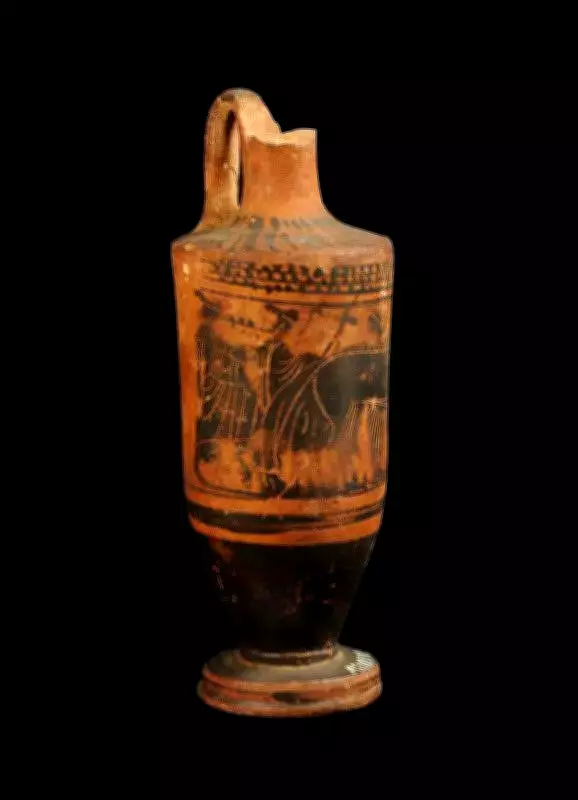
Mounted prominently at the museum's dedicated Exhibition Space, the exhibition meticulously traces India's enduring relationship with rivers and seas. It spans from the earliest river-based settlements on the subcontinent to the extensive maritime networks that historically linked South Asia with distant regions including Africa, West Asia, the Mediterranean, and Southeast Asia. A particularly noteworthy aspect of this exhibition is that numerous objects on display have been drawn from the museum's reserve collection, making their first-ever public appearance.
Through an engaging array of artefacts, detailed maps, vivid visuals, and symbolic displays, the exhibition explores how India's intricate riverine systems were fundamental in sustaining agriculture and fostering urban life across millennia. "This exhibition highlights India's civilisational journey through its water networks, foregrounding rivers and seas as vital forces of movement, exchange, and cultural continuity," emphasized Sayan Bhattacharya, the Director of the Indian Museum.

From Harappan Ingenuity to Global Maritime Exchanges
A central and compelling section of the exhibition is dedicated to the Harappan civilisation, illustrating how one of the world's earliest advanced societies mastered both inland waterways and maritime navigation. The showcase highlights Lothal, where Harappan engineers constructed the earliest known artificial tidal dock, complete with an innovative sluice-gate system designed to regulate sea tides and protect vessels. Exhibits include seals, standardised weights, storage jars, and pottery that demonstrate the regulation of Harappan trade, alongside displays of high-value commodities like carnelian beads, shell ornaments, and cotton textiles that traversed the Persian Gulf.
Archaeological evidence, such as Harappan seals discovered in Mesopotamia and Bahrain, underscores the remarkable reach of these ancient trade networks. The exhibition further elucidates how major Indian rivers like the Ganga, Godavari, and Krishna connected agrarian hinterlands to bustling ports, facilitating the continuous circulation of goods and people.
It also meticulously maps India's pivotal role in historical exchanges with powerful civilizations including Mesopotamia, Egypt, Persia, and the Roman world. The flow of trade saw materials such as lapis lazuli, beads, and textiles moving westwards, while silver, wool, and other resources flowed into the subcontinent, enriching India's cultural and economic tapestry.
Drawing on select antiquities from the museum's extensive holdings, Bhattacharya noted that the exhibition traces India's connections "from the Harappan civilisation and early interactions with Assyria, Egypt and Southeast Asia to later oceanic networks that sustained India's global connectivity." This comprehensive narrative not only celebrates India's maritime and riverine heritage but also invites reflection on the enduring legacy of water as a conduit for civilization, trade, and cultural exchange.