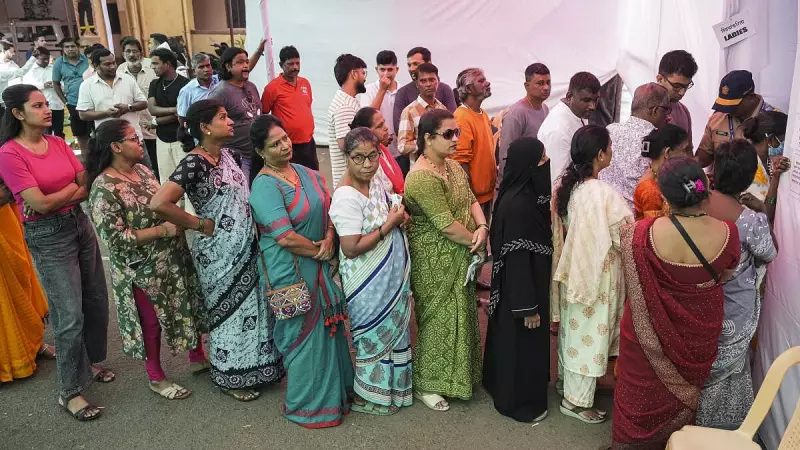
The Great Indian Art of Cutting the Line: A Deep Dive into Queue-Jumping Behaviour
In the bustling landscapes of India, from crowded railway stations to busy government offices, a peculiar phenomenon often unfolds: the art of cutting the line. This practice, where individuals bypass orderly queues to reach the front, raises intriguing questions about social behaviour and cultural norms. What drives this widespread tendency to jump queues, and why does it persist despite clear rules against it?
Psychological Drivers Behind Queue-Jumping
At its core, cutting the line may stem from a complex interplay of psychological factors. Many individuals exhibit a belief that rules are meant for others, not themselves, fostering a sense of exceptionalism. This mindset is often coupled with a perceived scarcity of time, where one's own schedule is viewed as more urgent or valuable than that of others waiting patiently. Over time, this behaviour can become habitual, practised so frequently that it loses its moral weight and becomes almost invisible to the perpetrator.
Cultural and Social Influences
Beyond individual psychology, broader cultural elements play a significant role. In a society where resources are sometimes limited and competition is high, queue-jumping can be seen as a pragmatic strategy to get ahead. Social norms in certain contexts may tacitly accept or even encourage this behaviour, especially in informal settings. Additionally, a lack of consistent enforcement of queue rules contributes to its prevalence, as people learn that there are few consequences for bypassing the line.

The Impact on Public Etiquette and Order
The practice of cutting lines has tangible effects on public spaces and social harmony. It can lead to:
- Increased frustration and conflicts among those who wait patiently, potentially escalating into verbal or physical altercations.
- Erosion of trust in systems and institutions, as people see rules being flouted without repercussion.
- Normalisation of disorder, making it harder to establish orderly processes in public venues.
Addressing this issue requires a multifaceted approach, including better infrastructure for queue management, public awareness campaigns, and stricter enforcement of rules. By understanding the roots of queue-jumping, society can work towards fostering a culture of respect and fairness in public interactions.
As Ashok B Heryani highlighted in his commentary, this behaviour is not just a minor inconvenience but a reflection of deeper social dynamics. Examining it closely offers insights into how Indians navigate shared spaces and the values that shape everyday interactions.