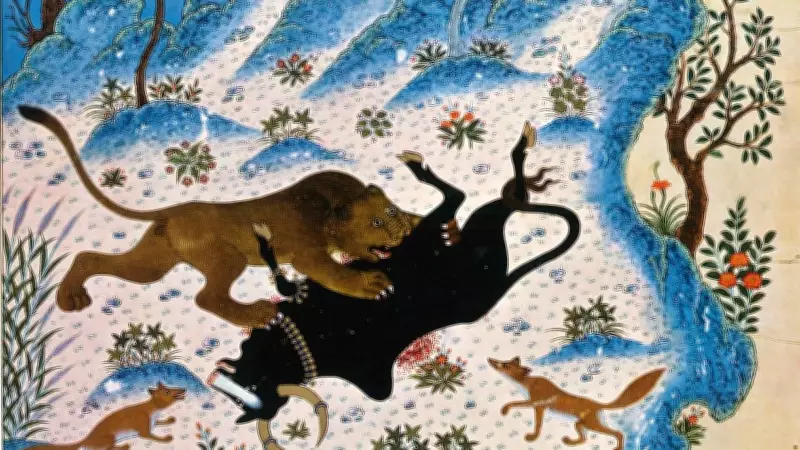
The Timeless Journey of India's Animal Fables
India's rich tapestry of storytelling is deeply woven with animal fables, which have served as moral compasses and sources of wisdom for centuries. These tales, featuring anthropomorphic animals, are not merely children's stories but profound narratives that explore human virtues, vices, and societal norms. Their origins can be traced back to ancient texts, with the Panchatantra and Jataka tales standing as monumental pillars in this literary tradition.
Ancient Origins and Literary Foundations
The Panchatantra, believed to have been composed around the 3rd century BCE by Vishnu Sharma, is a cornerstone of Indian animal fables. This collection of interwoven stories uses animals like lions, jackals, and mice to impart lessons on statecraft, diplomacy, and ethical living. Similarly, the Jataka tales, which recount the previous lives of the Buddha, often feature animals to illustrate Buddhist principles such as compassion and karma. These texts were not only popular in India but also traveled along trade routes, influencing cultures across Asia and beyond.
Over time, these fables evolved, adapting to regional languages and contexts. For instance, the Hitopadesha, a later work derived from the Panchatantra, refined these stories for educational purposes. The oral tradition played a crucial role in preserving and disseminating these tales, with storytellers adding local flavors and contemporary relevance. This adaptability ensured their survival through millennia, making them a living part of India's cultural heritage.

Global Dissemination and Cultural Impact
The journey of India's animal fables beyond its borders is a testament to their universal appeal. Through translations into Persian, Arabic, and later European languages, stories from the Panchatantra found their way into works like Aesop's Fables and the Arabian Nights. Scholars note that these tales influenced Western literature, with parallels seen in medieval European beast epics and modern children's stories. This cross-cultural exchange highlights how Indian fables contributed to global moral and literary traditions, fostering a shared understanding of human nature through animal allegories.
In contemporary times, these fables continue to resonate, adapted into books, animations, and educational curricula worldwide. They are used to teach values like honesty, courage, and empathy, proving their enduring relevance in moral education. The simplicity of animal characters allows complex ethical dilemmas to be explored in an accessible manner, making them powerful tools for both children and adults.
Preservation and Modern Relevance
Efforts to preserve India's animal fables involve digitizing ancient manuscripts, promoting storytelling festivals, and integrating them into school syllabi. Organizations and cultural institutions are working to ensure these tales are not lost to time, recognizing their role in shaping ethical frameworks. Moreover, modern retellings often address current issues such as environmental conservation and social justice, demonstrating how these age-old stories can inspire action in today's world.
The legacy of India's animal fables is a vibrant thread in the fabric of global storytelling. From ancient scriptures to digital media, they remind us of the power of narrative to convey timeless wisdom. As we navigate an increasingly complex world, these tales offer simple yet profound insights, bridging cultures and generations with their enduring charm and moral depth.