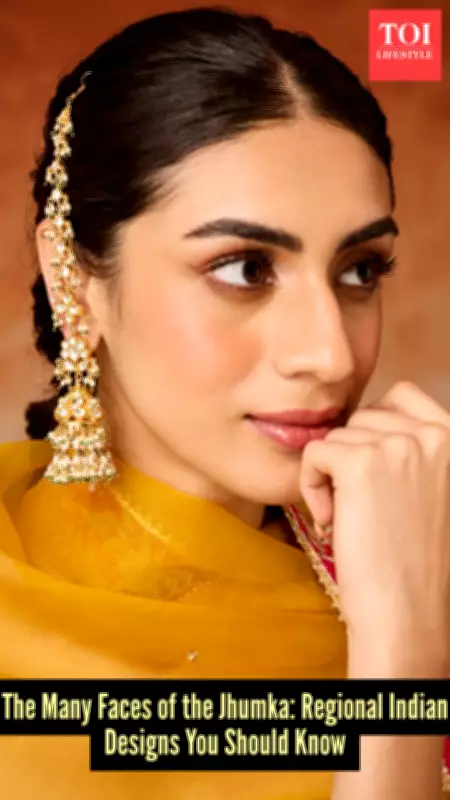
India's Jhumka Map: A Cultural Tapestry of Romance and Tradition
In the vibrant landscape of Indian adornment, the jhumka has emerged as a profound symbol of romance and cultural identity. These universally recognized bell-shaped earrings are not merely accessories but artistic expressions deeply embedded in the nation's heritage. Crafted through a fusion of temple architecture references, royal patronage, and tribal symbolism, jhumkas tell stories of India's diverse artistic legacy.
The Historical Roots and Artistic Evolution
The journey of jhumkas in India spans centuries, evolving from ancient traditions to contemporary fashion statements. Initially inspired by the intricate designs of temple carvings, these earrings gained prominence under the patronage of royal courts, where artisans refined techniques to create pieces fit for nobility. Over time, tribal communities infused their unique symbolism, adding layers of meaning and regional distinctiveness.
This blend of influences has resulted in a rich tapestry of styles, each reflecting the local ethos and craftsmanship of its origin. From the delicate filigree work reminiscent of architectural marvels to the bold, chunky domes that echo tribal aesthetics, jhumkas showcase the artistic diversity that defines India.

Signature Styles Across Indian States
India's jhumka map is dotted with regional signatures, each state contributing its unique interpretation to this iconic jewelry form. Let's explore some of the prominent styles rooted in history:
- Rajasthan: Known for its elaborate filigree and kundan work, Rajasthani jhumkas often feature intricate patterns inspired by Mughal architecture and royal insignias, symbolizing opulence and heritage.
- Tamil Nadu: Drawing from temple art, these jhumkas incorporate motifs like peacocks and lotus flowers, crafted with meticulous detailing to reflect spiritual and cultural narratives.
- Gujarat: Tribal influences dominate here, with chunky, dome-shaped jhumkas adorned with mirror work and vibrant colors, representing the folk traditions of the region.
- Kerala: Characterized by minimalist designs and gold craftsmanship, Kerala's jhumkas often blend simplicity with elegance, influenced by the state's coastal and cultural aesthetics.
- Maharashtra: Featuring peacock motifs and pearl embellishments, these jhumkas combine traditional Maharashtrian elements with contemporary flair, rooted in historical patronage.
Each style not only highlights regional artistry but also serves as a testament to the enduring appeal of jhumkas in Indian fashion and identity.
The Enduring Legacy and Modern Relevance
Today, jhumkas continue to captivate hearts, transcending their historical origins to become staples in both traditional and modern wardrobes. Their universal bell shape has become an epitome of romance, often associated with celebrations, weddings, and cultural festivities. Artisans across India preserve these techniques, ensuring that the legacy of jhumka craftsmanship thrives in a globalized world.
From the bustling markets of old cities to high-fashion runways, the jhumka's journey reflects India's ability to blend tradition with innovation. As more people explore this cultural map, the appreciation for these earrings grows, highlighting their role in connecting past and present through wearable art.