US-Israel Coordinated Military Strikes Unleash Chaos Across Iran
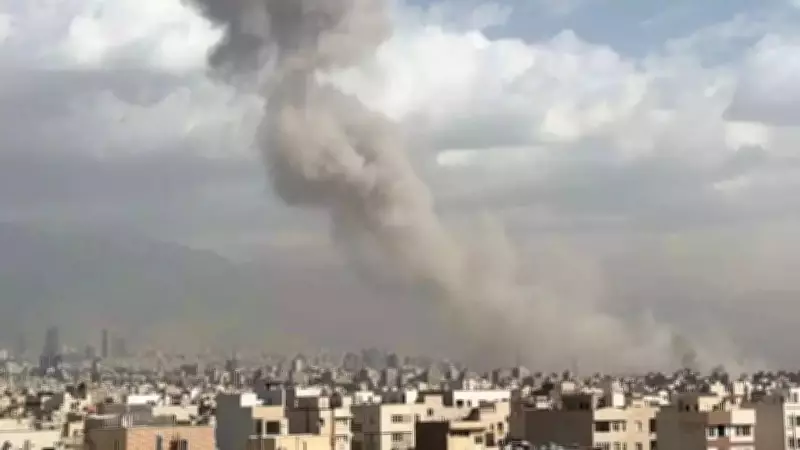
In a dramatic escalation of tensions, the United States and Israel launched coordinated military attacks on Iran on Saturday, February 28, 2026. The strikes, which targeted key military, intelligence, and government installations nationwide, sent shockwaves through the region, plunging Tehran into a state of emergency marked by explosions, sirens, and billowing smoke.
Strategic Targets and Immediate Fallout in Tehran
The assault focused on critical infrastructure, including areas around the offices of Supreme Leader Ayatollah Ali Khamenei. Satellite imagery revealed significant destruction at Khamenei's compound in Tehran, though his current whereabouts remain unconfirmed. Authorities swiftly closed roads and activated emergency protocols as plumes of smoke rose over the capital, with images showing widespread damage to strategic sites.
Civilian casualties were reported, with state-run IRNA confirming at least 57 deaths and 45 injuries at a girls' school in Minab, southern Iran. The attacks also had a broader regional impact, as shrapnel struck the UAE capital, resulting in one fatality and highlighting the spillover effects of the conflict.

Iran's Swift Retaliation and Regional Escalation
Hours after the initial strikes, Iran's Revolutionary Guard launched a retaliatory offensive, firing missiles and drones at Israel. Simultaneously, attacks targeted US military installations in Bahrain, Kuwait, and Qatar, signaling a rapid escalation that threatens to engulf the broader Middle East.
Travel Disruptions and Airspace Closures
The conflict triggered immediate disruptions to air travel, with Iran, Iraq, and the UAE closing their airspaces amid ongoing missile alerts. Airlines temporarily suspended operations across the region, advising residents and travelers to shelter in place as the situation unfolded. This has caused significant logistical challenges and heightened anxiety for international travelers and local populations alike.
The coordinated nature of these strikes represents a significant shift in regional dynamics, with potential long-term implications for diplomacy and security. As both sides assess the damage and plan their next moves, the international community watches closely, urging restraint to prevent further escalation and civilian harm.