Iran Conflict Severely Disrupts Sacred Pilgrimages for Gujarat's Parsi Community
The ongoing military conflict in Iran has generated widespread global concern regarding its economic and geopolitical ramifications. However, for the Parsi community residing in Gujarat, India, the hostilities carry a profoundly deeper significance—one that strikes at the very heart of their religious identity and ancestral heritage.
Ancestral Homeland and Spiritual Pilgrimage
Descended from Zoroastrians who migrated from Persia to the shores of Gujarat over 1,300 years ago to preserve their faith, many Parsis maintain an unbreakable spiritual bond with Iran. This connection is annually reaffirmed through pilgrimages to sacred sites across the country. The current war has abruptly severed this vital link, forcing numerous community members to cancel their travel plans this year.
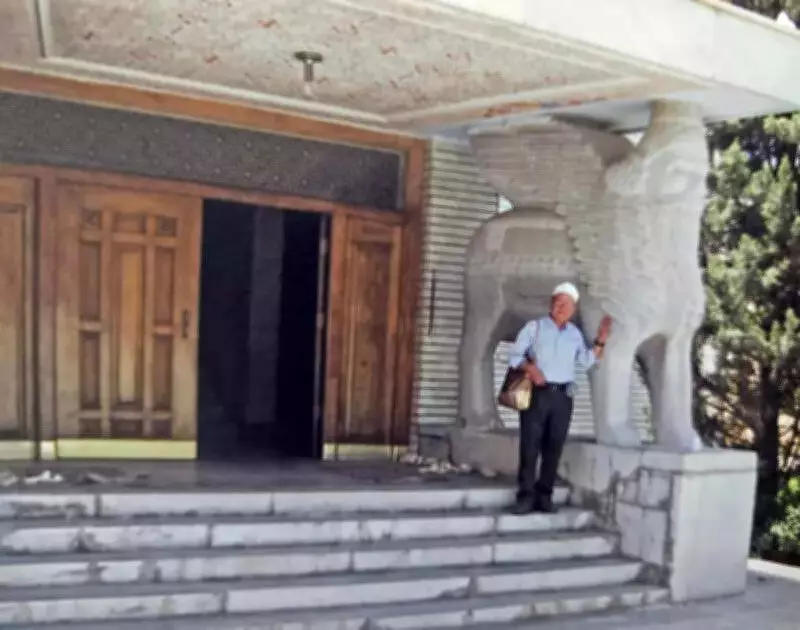
"We left Persia to safeguard our religion and eventually settled in Sanjan, Gujarat. Yet, many of our brethren remained in Iran," recounted Padma Shri awardee Yazdi Karanjia, a 90-year-old resident of Surat, who visited Iran in 2008 with his 84-year-old wife, Vira. "There are numerous religious and historical sites there that Parsis from India visit every year. The present conflict painfully revives memories of our own journey."

Personal Narratives of Spiritual Journeys Interrupted
Vira Karanjia described their 2008 pilgrimage as an intensely spiritual experience, despite sustaining a fracture during the tour. "We heard poignant tales of persecution and the last Zoroastrian king, Yazdegerd III. Visiting sacred locations like Mount Damavand and Chak Chak forged a powerful connection to our roots. We even performed ancient rituals at Mount Damavand—an experience that truly transcends words," she shared.
The disruption is deeply personal for many. Ahmedabad-based businessman Homiyar Vakil expressed his frustration: "I had planned to visit last year but couldn't. I was determined to go this summer, but the war has disrupted everything. I yearn to see the land where my ancestors once lived."
Similarly, Surat-based educator Maharukh Chichgar, along with her relatives, had meticulously prepared for a summer trip to Iran. "We had finalized all arrangements and were particularly eager to visit the holy sites. Now, we must await peace. I am especially keen to see the ancient ruins of Persepolis," she stated.
Enduring Bonds Between Indian and Iranian Parsis
Significant Parsi populations continue to reside in Iran, primarily in cities like Tehran and Yazd, maintaining strong cultural and religious ties with their Indian counterparts. Surat businessman Fredy Bhagwagar, who visited Iran in 2018, recalled his experience fondly. "A friend from Mumbai, now settled in Iran, assisted me throughout my trip. Climbing Mount Damavand remains an unforgettable memory. Iranian Parsis greatly cherish traditional gifts like the ‘sudreh’ and ‘kushti’ from India and have a particular fondness for Indian tea," he noted.
Organized Tours and Government Support Halted
Diniar Darab Mehta, a tour organizer from Mumbai with 35 years of experience, detailed the profound impact on community travel. "I have been conducting two tours annually to Iran—one during Diwali vacations and another in summer—for the last three and a half decades. These tours typically cover four key cities: Tehran, Shiraz, Yazd, and Isfahan, where most Zoroastrian sites are located," he explained.
Mehta elaborated on the significance of these destinations:
- Yazd hosts approximately 60% of Iran's Parsi population, many associated with farming, and is home to the 1,500-year-old Atash Behram, the oldest Fire Temple.
- Parsis also visit the fire temple at the Rustam Baug Zoroastrian colony in Tehran.
- Other crucial sites include Persepolis, the Shiraz fire temple, Pasargadae, and the tomb of Cyrus the Great.
"We have always received immense support from the Iranian government during our tours. Tragically, this year's summer tour has been cancelled outright due to the war," Mehta concluded, highlighting the complete standstill of this centuries-old tradition.

The conflict in Iran, therefore, extends far beyond immediate geopolitical tensions. For Gujarat's Parsi community, it represents a painful interruption of sacred pilgrimages that sustain their spiritual identity and ancestral connections, leaving many in a state of hopeful waiting for peace to restore their cherished journeys.