Iranian Expatriates Build New Lives in Tamil Nadu
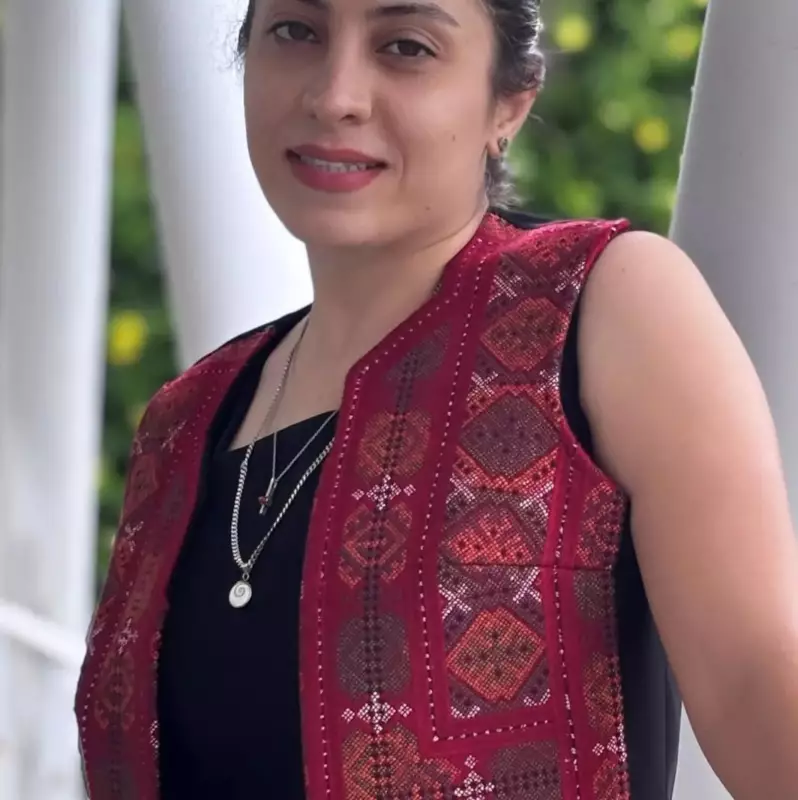
Nasrin Karimi remembers her hometown with fondness. "I come from Chiraz, a beautiful city famous for poetry, roses, and grape wine," she says. Nasrin left Iran during the Iraq war in the late 1970s to pursue higher studies in Chennai. She never returned to her homeland.
"Many young Iranians moved to Europe or the United States back then," Nasrin explains. "I chose to stay in India. It felt like home from the beginning." Today, she is known as "chef Nasrin" within the small Iranian community in Tamil Nadu and Puducherry.
A Small but Close-Knit Community
Only about a dozen Iranian families currently live in this region. Nasrin resides with her brother Dariush on East Coast Road. She has not visited Iran in twenty years. While she misses the distinct seasons of her homeland, she has created a new family here.

"My network of friends and clients has become my family," Nasrin says. She prepares Persian dishes for them, customizing recipes to suit Indian tastes. The community remains deeply concerned about recent events in Iran.
"Masked gunmen are killing people indiscriminately in Iran right now," Nasrin reveals with distress. "During the Iraq war, perhaps ten thousand people died. Now, at least twenty thousand have been massacred in just two days. There is no internet service, so I cannot reach my family there."
Personal Journeys to India
Anitha Kamali arrived in Auroville from Zahedan in Iran's Balochistan region during 2023. She originally held a return ticket but decided to stay permanently. "I canceled my return flight," Anitha states. "My mother is Balochi and my father is Parsi. He always encouraged me to explore India."
Abbas came to Chennai from Isfahan in 1981. He completed his BSc and later his PhD at Loyola College. He married a Tamilian woman named Geetha and settled in the city. "I remember cycling from Besant Nagar to Loyola College in just ten minutes," recalls the seventy-year-old Abbas. He and his wife lived in Iran for decades and still travel there frequently.
"At home, I eat less spicy versions of Indian foods like rasam and sambar," Abbas notes about his dietary preferences.
Cultural Connections Between India and Iran
All community members emphasize significant cultural similarities between India and Iran. They also believe Indians hold many misconceptions about Iranians.
"Our identity involves much more than being Muslim," Anitha explains. "We have our own films, food, language, and rich traditions. At least forty percent of Hindi, Urdu, Baluchi, and Persian words are common."
While Iranian cuisine generally uses less spice than Indian food, most Iranians know Indian dishes well. This familiarity comes from the historical Punjabi community presence in Iran.
"Punjabis migrated to Iran in large numbers during the early 1900s," Anitha says. "They established gurudwaras, started businesses, and married local Muslims."
Shared Values and Culinary Traditions
Nasrin points out a beautiful parallel in hospitality traditions. "Indians consider guests as gods with 'atithi devo bhava.' Iranians consider guests as 'gifts from god.'"
One of the most popular items on Nasrin's menu is mutton koobideh. This minced meat kabab is unique to Iran. "North Indians love this dish," she observes. "South Indians usually prefer chicken berry pulao, which is a spicier version."
The community celebrates Nouroz, the Iranian New Year marking the beginning of spring. This festival involves sweets and dry fruits. Despite being far from home, they maintain these traditions.
Nasrin expresses hope for her homeland's future. "The government and public have been in ideological conflict for decades. We all hope peace will come soon."