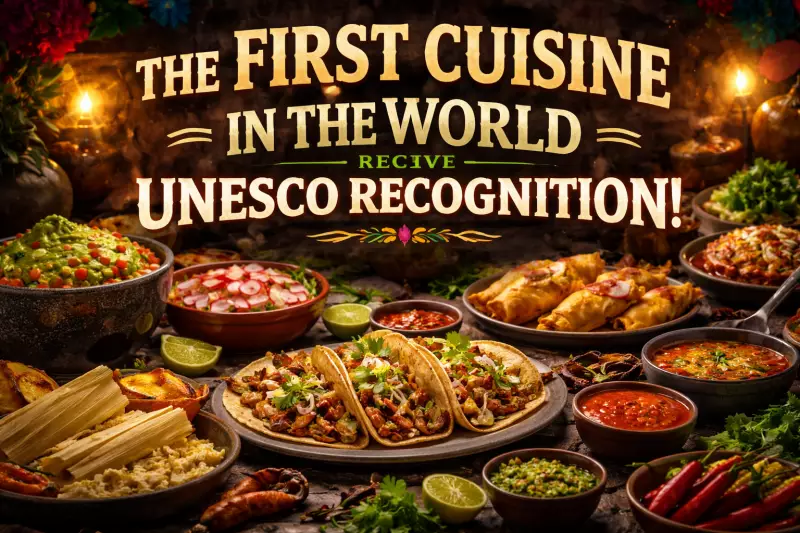
In a landmark decision that elevates the humble home-cooked meal to a global cultural treasure, UNESCO has officially recognised Italy's entire national cuisine as an Intangible Cultural Heritage of Humanity. This historic announcement, made during the 20th session of UNESCO's Intergovernmental Committee in New Delhi, marks the first time a complete national culinary tradition has received this prestigious status.
More Than Just Recipes: A Celebration of Daily Life
The recognition by UNESCO goes far beyond iconic dishes like pasta or pizza. It honours a comprehensive, living system of food culture deeply embedded in the Italian way of life. The designation acknowledges the collective practices of farming, harvesting, cooking, and, most importantly, eating together. It celebrates the knowledge passed down through generations not in formal settings, but around the family table.
UNESCO's documentation frames Italian cuisine as an everyday cultural expression, highlighting rituals like daily market visits, family lunches, and seasonal traditions such as olive pressing and tomato preservation. The nomination successfully argued that these practices, rooted in sustainability, minimal waste, and regional biocultural diversity, form the core of Italy's "living gastronomic landscapes."

A Shield for Authenticity in a Globalised Market
This new status is a powerful tool in Italy's long-running battle against food imitation. Products with Italian-sounding names made outside the country have long flooded international markets, confusing consumers and diluting the "Made in Italy" brand. The UNESCO heritage tag provides an additional layer of protection and awareness, encouraging people worldwide to seek out authentic Italian products.
This move strengthens existing frameworks like the Protected Designation of Origin (DOP) status. It comes at a time when Italy's agrifood exports are soaring, having reached a record €68 billion in 2024, with continued growth in 2025.
The Global Journey of a Quiet Culinary Ambassador
The worldwide love for Italian food played a subtle but crucial role in its recognition. For generations, Italian migrants carried their culinary heritage in suitcases and memories, planting it in neighbourhood bakeries and modest restaurants across the globe. This cuisine spread not for fame, but for community and survival, becoming a universal language of comfort and connection.
Italy now joins other food traditions on UNESCO's list, such as the French baguette and Japanese washoku. However, its recognition is unique for encompassing an entire culinary ecosystem. The country already boasts several intangible heritage entries, including Neapolitan pizza-making and opera singing.
The UNESCO status is expected to provide a significant boost to Italy's rural economies and small-scale producers by highlighting the cultural value of local supply chains. It also brings with it a responsibility for Italy to actively safeguard these traditions through education and documentation, ensuring they are preserved, not commercialised.
Ultimately, this historic decision affirms what billions around the world have always felt: that Italian food is more than sustenance. It is a profound form of cultural connection, worthy of celebration and protection on the world's highest stage.