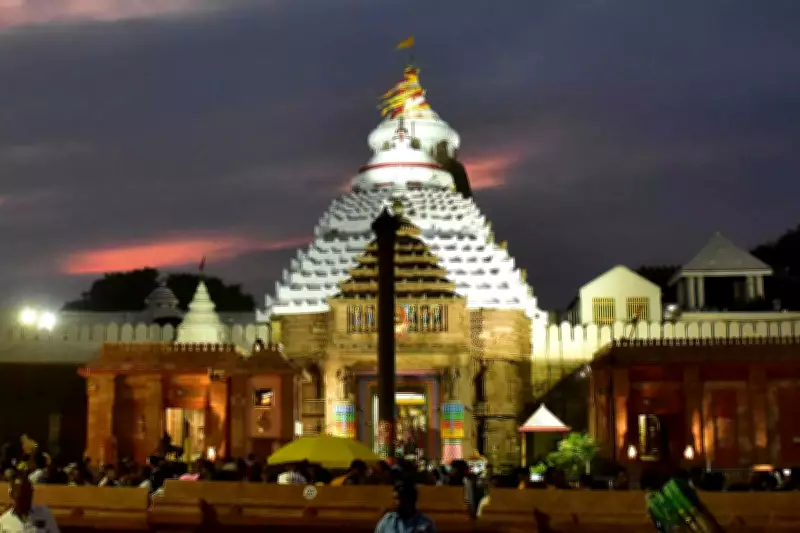
Jagannath Temple Conservation: SJTA Chief Holds Crucial Meeting with ASI Director General in Delhi
In a significant development for the preservation of one of India's most revered heritage sites, the chief administrator of the Jagannath Temple in Puri, Dr Arabinda Kumar Padhee, convened a high-level meeting with the director general of the Archaeological Survey of India (ASI), Dr Yajurvendra Singh Rawat, in New Delhi on Wednesday. The discussions centered on critical and time-sensitive conservation initiatives for the historic 12th-century shrine, which attracts millions of devotees annually.
Urgent Focus on Bhoga Mandapa and Structural Assessments
During the detailed deliberations, Dr Padhee, who heads the Shree Jagannath Temple Administration (SJTA), strongly urged the ASI to prioritize the immediate conservation of the Bhoga Mandapa. This structure is recognized as one of the most vital and architecturally significant components within the expansive temple complex. The Bhoga Mandapa plays a central role in temple rituals and requires expert preservation to maintain its historical integrity.
Furthermore, the SJTA chief formally requested the ASI to deploy a specialized technical team to conduct a thorough inspection and comprehensive assessment of the structural stability of the iron beams installed on the exterior side of the Jagamohana. These critical support beams were fitted nearly a century ago and now necessitate a rigorous technical evaluation to ensure the long-term safety and stability of the temple structure. This proactive measure aims to prevent any potential risks and safeguard the monument for future generations.

Comprehensive Conservation Agenda Discussed
The meeting agenda extended beyond immediate concerns to include several forward-looking preservation projects. Key among these was the proposed heritage illumination project for the temple, designed to enhance its aesthetic appeal while adhering to conservation principles. Additionally, the officials discussed other essential conservation measures, including advanced techniques for joint sealing and specialized chemical treatment of the exterior surface of the main temple structure. These interventions are crucial for protecting the ancient stonework from environmental degradation and wear.
Dr Padhee took the opportunity to express his sincere appreciation for the continued support and dedicated efforts of the ASI in executing vital conservation and repair works. He specifically acknowledged the ASI's ongoing work on the Ratna Bhandar, the temple's treasury, where efforts are focused on ensuring its structural safety and preservation. This collaborative approach between the SJTA and ASI underscores a shared commitment to maintaining the temple's architectural grandeur and spiritual significance.
The meeting marks a pivotal step in accelerating conservation efforts for the Jagannath Temple, highlighting the administration's proactive stance in addressing both urgent and long-term preservation needs through expert collaboration with India's premier archaeological body.