Jaipur Entrepreneur's Viral Post Sparks National Debate on Class Prejudice
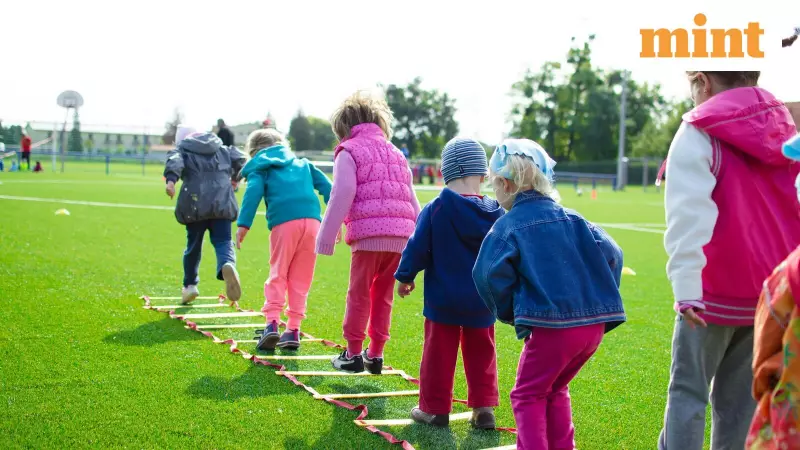
Gaurav Kheterpal, founder and chief executive of Vanshiv Technologies, recently shared a troubling experience on social media platform X. His young son faced social isolation from other children in their residential lane. The reason? The boy regularly played football with another child whose father works as a household helper in their Jaipur neighborhood.
The Incident That Went Viral
"My son has been boycotted by kids in our lane," Kheterpal wrote in his now-viral post. He explained that both he and his son would join the football games with their neighbor's child. According to Kheterpal, other families in the area objected to this friendship. They felt it was "beneath their standards" for their children to socialize with a worker's child.
The entrepreneur described living in an affluent part of Jaipur where residents typically run businesses, own luxury cars, and host frequent social gatherings. He noted that despite economic success, progressive social values seemed absent in this environment.

Classism Dressed as Culture
"This is not about money or achievement," Kheterpal emphasized in his post. "This is classism dressed up as culture and values." He questioned the contradiction he observes in many urban Indian households. Children attend elite schools and learn about global perspectives. Yet they simultaneously absorb unspoken hierarchies about who qualifies as an "acceptable" friend.
"We may talk about progress and inclusion," Kheterpal noted, "but our everyday behaviour tells a different story." He wondered whether Indian society has truly moved beyond judging people by their social status and economic background.
Widespread Reactions and Shared Experiences
The post quickly gained traction online, resonating with thousands of users. Many praised Kheterpal for standing by his values and teaching his son empathy and equality at an early age. Others shared similar experiences, revealing that class-based exclusion remains common even in supposedly liberal and educated spaces.
One user commented, "We haven't overcome casteism either. It's painful when discrimination is taught at home and passed on to children. That's how prejudice survives. Sorry you're going through this ordeal."
Another wrote, "Wear the boycott on your sleeve. You're bringing up your son to be a good person."
A third user shared a personal story about ending discriminatory practices in their residential welfare association. "In my colony of very eminent people from top echelons of bureaucracy, military, and judiciary, even tenants' kids were mostly isolated. After taking over as President of the RWC, I have put an end to this highly regressive practice. Now everyone, including servants' children, can play in the park."
Another response highlighted casual discrimination in everyday situations. "This is so sad, and very casually rooted among people. Just a few days ago, I heard someone mentioning they would ask their driver to eat in the same restaurant but at a different table. I've seen this happen over the years. It's so common that most people don't even notice this."
Many simply encouraged Kheterpal, with one writing, "You are doing great with your kid. Give it time!"
The Bigger Conversation
Kheterpal's experience has triggered a wider conversation about class prejudice in urban India. His post exposes how economic prosperity doesn't automatically translate into social progress. The incident reveals deep-seated attitudes that continue to divide communities along class lines.
The viral discussion highlights how children often mirror the prejudices of their parents and communities. It raises important questions about what values Indian society is truly passing to the next generation. The conversation continues online, with many hoping this incident will spark meaningful change in how people interact across social boundaries.