Jaipur's historic Walled City has fully embraced the festive rhythm as Makar Sankranti approaches. The annual tradition of kite flying continues to captivate the Pink City, drawing thousands to markets for last-minute purchases before the celebration.
Markets Overflow with Festive Shoppers
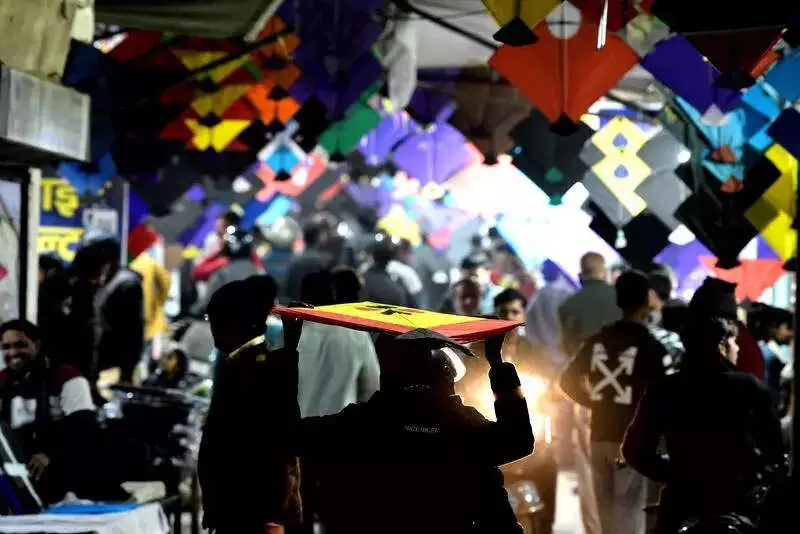
On Monday evening, the narrow lanes of Handipura, Tripolia Bazaar, Haldiyon Ka Raasta and Chandpole teemed with enthusiastic shoppers. People carefully examined colorful stacks of kites and spools of manjha, creating a carnival-like atmosphere throughout these bustling markets.
The shopping rush grew so intense that traffic movement in large parts of the Walled City remained chaotic throughout the day. Vehicles inched forward slowly amid crowds completely engaged in their festive shopping activities.

Shopkeepers Report Strong Season
A visit to these vibrant markets revealed that fears of a subdued celebration were completely unfounded. Shopkeepers reported the season started early this year, with customers arriving steadily since the first week of January and experiencing a noticeable spike over the weekend.
"In Jaipur, nothing can match the excitement of the kite festival," said Abdul Naeem, a wholesale trader of kites and manjha in Tripolia Bazaar. "Customers came in continuously, and Sunday saw a particularly heavy rush. Most of them were here for final Makar Sankranti shopping."
Handipura: The Heart of Kite Festivities
Handipura, regarded as Jaipur's biggest kite market, appeared especially vibrant during this festive period. People of all age groups participated enthusiastically in the shopping experience.
- Children eagerly tugged at their parents to buy more kites
- Groups of youngsters debated colors and quality of different kite designs
- Shoppers examined kites in various colors, sizes and patterns
Prices Rise but Spirits Remain High
This year, however, kite flying comes at a slightly higher cost. Traders attributed the price increase to several factors affecting the supply chain.
"Persistent fog in Bareilly, Rampur and nearby areas affected production and transportation," explained Naeem Ahamed, a wholesale dealer in Handipura. "As a result, kites that were earlier sold at Rs 80 for 20 pieces are now priced at around Rs 120."
Additional factors contributing to the price hike include:
- Increased paper costs
- Unfavourable weather conditions
- Higher labour charges
The starting price of kites this season now stands at around Rs 5 per piece. Despite these higher prices, buyer enthusiasm remained completely unaffected.
Festival Spirit Overcomes Price Concerns
"Bhaav kuch bhi ho, Jaipur ke logon ko koi farq nahin padta," said Nabbu Khan, a kite and manjha seller in Handipura, emphasizing that price doesn't matter to Jaipur's residents when it comes to their beloved festival.
Echoing this sentiment, 46-year-old Avinash Sharma, who purchased nearly 100 kites and two spools of manjha, explained his perspective: "Patang to udaani hi hai, direct sunlight milti hai" - meaning flying kites is essential, and it also provides direct sunlight exposure during winter.
Manufacturers Work Overtime
Behind the scenes, local manufacturers are working extra hours to meet the substantial demand. They're supplying kites not only to Jaipur but also to neighboring districts, ensuring everyone can participate in this cherished tradition.
The vibrant scenes across Jaipur's markets confirm that the city's kite festival tradition remains as strong as ever, with community spirit triumphing over practical concerns like traffic and pricing.