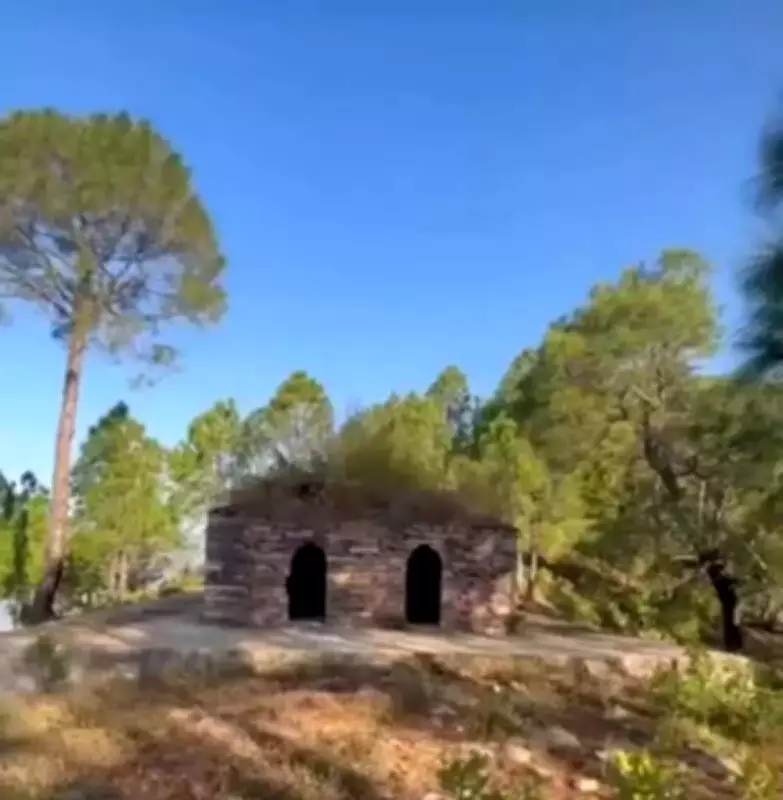
Fading Legacy of a Himalayan Philanthropist: Jasuli Aama's Dharamshalas Under Threat
Scattered across the remote hills of Kumaon, along forgotten mountain trails and historic trade routes, stand the deteriorating structures that once symbolized boundless generosity. The 19th-century dharamshalas built by social worker Jasuli Devi, affectionately known as Jasuli Aama, are now facing severe challenges of encroachment and neglect according to local residents and activists.
The Remarkable Legacy of a Trailblazing Woman
Historians trace Jasuli Aama's extraordinary legacy to the remote Darma Valley, where she emerged as a pioneering figure in social welfare. A member of the Shauka trading community, this remarkable woman is believed to have constructed between 350 and 450 dharamshalas across the Kumaon region, extending her humanitarian work along trade routes that connected Nepal and Tibet.
In an era long before modern roads carved through the formidable Himalayan landscape, these shelters provided crucial refuge to pilgrims undertaking the arduous Kailash–Mansarovar yatra and to traders navigating the challenging Indo-Tibetan trade corridor. Retired teacher Bhagwat Singh remembers these structures not merely as rest houses but as "lifelines woven into the harsh geography of the Himalayas."

"They featured fully equipped kitchens for weary travelers, designated spaces to tether animals, reliable water sources including traditional naulas and wells, and in many locations, systematic arrangements for food donation," Singh explained. "These dharamshalas functioned as comprehensive social welfare centers of their time, addressing multiple needs of those traversing the mountains."
Modern Challenges Threatening Historical Heritage
Unfortunately, this significant legacy is rapidly eroding according to concerned activists. Social activist Ganga Singh Pangti reports that numerous dharamshalas have fallen into serious disrepair, while in several locations, portions of their land have allegedly been encroached upon by various parties.
"Revenue records in many instances do not clearly document the status of these historical structures," Pangti revealed. "This administrative ambiguity has unfortunately led to property disputes and unauthorized encroachments that threaten the very existence of these cultural landmarks."
Local communities have responded by submitting formal memorandums to district authorities, advocating for several crucial measures:
- A comprehensive survey of all dharamshalas attributed to Jasuli Aama
- Clear demarcation of their original boundaries
- Official declaration as protected heritage structures
- Immediate action against identified encroachments
"This conservation effort transcends mere property protection," emphasized Pangti. "It concerns the preservation of our cultural legacy in the Himalayan hills and honors a profound tradition of selfless public service that Jasuli Aama embodied."
The Inspiring Story Behind the Structures
Jasuli Aama, also known locally as Jasuli Datal or Jasuli Shaukyani, resided in Datun village within the Darma Valley and was counted among the wealthiest individuals in the Garhwal–Kumaon region during her lifetime. After experiencing personal tragedy—widowed at a young age and having lost her only son—she channeled her grief into transformative social service, dedicating her substantial wealth entirely to traveler welfare.
Her philanthropic vision extended beyond regional boundaries, with historical accounts suggesting she constructed dharamshalas in Nepal and Tibet as well, strategically placed at intervals of approximately every five kilometers along major travel routes.
Architectural Significance and Conservation Potential
Statehood activist Bhuwan Kandpal highlights the architectural importance of these structures, noting they exemplify traditional hill construction techniques designed to withstand extreme mountain conditions including heavy snow, torrential rains, and the passage of time.

"If properly restored, these dharamshalas can serve as living classrooms," Kandpal suggested. "They can educate contemporary generations about how mountain communities functioned before modern infrastructure transformed the region. Furthermore, they hold significant potential for integration with heritage tourism initiatives that could benefit local economies."
Activist Ashok Lohani expressed urgent concern about the timeline for conservation, warning that without timely intervention, future generations may only know of these historic shelters through fading folklore and fragmented archival records.
Official Response and Path Forward
When questioned about the preservation concerns, Additional District Magistrate N S Nabiyal confirmed that administrative attention has been directed toward the issue. "I have formally requested the sub-divisional magistrate to conduct a thorough inquiry," Nabiyal stated. "The complete factual position regarding these historical structures will become clear once the official investigation report is submitted and reviewed."
The situation presents a critical juncture for Himalayan heritage conservation, balancing historical preservation with contemporary land use realities while honoring the extraordinary legacy of a woman whose generosity once created a network of sanctuary across some of Asia's most challenging terrain.