Jaya Ekadashi 2026: A Sacred Observance for Spiritual Elevation
The Hindu calendar marks Ekadashi, the eleventh lunar day, as a highly auspicious occasion for fasting, prayers, and introspection. In January 2026, this revered day is observed as Jaya Ekadashi, a time believed to bestow divine blessings and purify the soul. Devotees across India and the global Hindu diaspora eagerly await this event to engage in spiritual practices that foster inner peace and prosperity.
Exact Timings and Date for Jaya Ekadashi 2026
According to traditional Panchang calculations, Jaya Ekadashi in 2026 falls on Tuesday, January 27. The precise tithi, or lunar phase, commences at 10:49 AM on Monday, January 26, 2026, and concludes at 08:41 AM on Tuesday, January 27, 2026. This period defines the optimal window for observing the Ekadashi fast, with many followers beginning their rituals at sunrise on January 27 to align with the most propitious moments.
Spiritual Significance and Rituals of Jaya Ekadashi
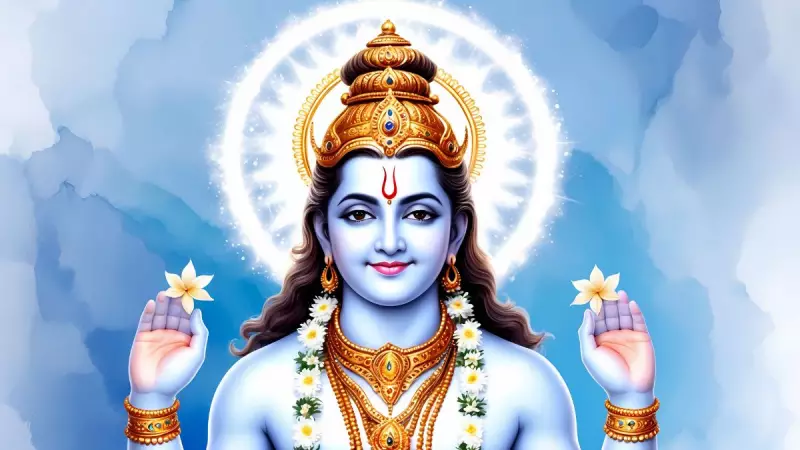
Jaya Ekadashi holds profound spiritual importance in Hindu mythology, often associated with stories of victory over negativity and the attainment of moksha (liberation). Observing this fast is said to wash away sins, bring good fortune, and strengthen one's connection with Lord Vishnu, the preserver in the Hindu trinity. Key rituals include:

- Fasting: Devotees abstain from grains, beans, and certain vegetables, consuming only fruits, milk, or specific fasting foods. Some observe a strict nirjala (waterless) fast for enhanced spiritual benefits.
- Prayers and Chanting: Reciting Vishnu Sahasranama or other sacred hymns, along with visiting temples dedicated to Lord Vishnu, is common practice to invoke divine grace.
- Charity and Reflection: Offering donations, feeding the needy, and engaging in meditation are encouraged to cultivate compassion and self-awareness during this holy day.
Preparations and Regional Observances
In the lead-up to Jaya Ekadashi, households often undergo thorough cleaning and decorate altars with flowers and lamps. Regional variations add richness to the observance; for instance, in North India, special bhajans and kirtans are organized, while in South India, elaborate pujas with offerings of tulsi leaves and fruits are prevalent. The fast typically breaks on the following day, Dwadashi, after performing morning prayers and consuming a sattvic meal.
As Jaya Ekadashi 2026 approaches, spiritual seekers are reminded to consult local priests or Panchang sources for any location-specific nuances. This observance not only reinforces cultural heritage but also offers a timeless opportunity for personal growth and divine connection in the modern era.