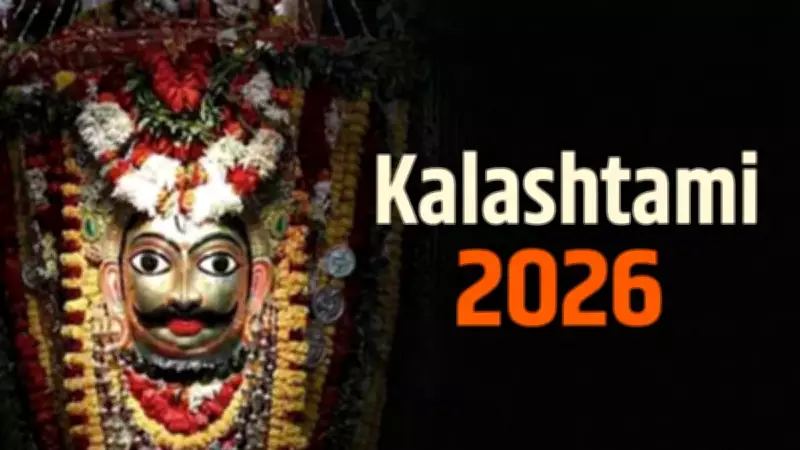
Kalashtami 2026: A Comprehensive Guide to the Sacred Observance
Kalashtami, a revered day in the Hindu lunar calendar dedicated to Lord Shiva, holds profound spiritual significance for devotees. In 2026, this auspicious occasion falls on Monday, February 9th, aligning with the Krishna Paksha Ashtami tithi of the Magha month. Observing Kalashtami with devotion is believed to bestow blessings, remove obstacles, and purify the soul, making it a key event for spiritual practitioners across India.
Shubh Muhurat and Timings for Kalashtami 2026
The success of any religious observance hinges on performing rituals during the most propitious times. For Kalashtami 2026, the Ashtami Tithi begins at 10:15 AM on February 9th and concludes at 12:45 PM on February 10th. The optimal period for puja, known as the shubh muhurat, is during the night, specifically from 12:07 AM to 2:45 AM on February 10th. Devotees are advised to plan their worship within this window to maximize spiritual benefits and align with cosmic energies.
Detailed Puja Vidhi and Ritual Steps
Performing the Kalashtami puja correctly is essential for invoking divine grace. Follow this step-by-step guide to ensure a meaningful observance:

- Preparation: Begin by cleansing the puja area and taking a purifying bath early in the morning. Wear clean, preferably white, clothes to symbolize purity.
- Setup: Place an idol or image of Lord Shiva on a clean altar. Decorate it with flowers, such as marigolds or lotus, and light a diya with ghee or oil.
- Offerings: Present traditional items like bilva leaves, milk, honey, fruits, and sweets as bhog to the deity. These symbolize devotion and surrender.
- Chanting: Recite sacred mantras dedicated to Lord Shiva, focusing on the "Om Namah Shivaya" mantra to enhance spiritual connection.
- Fasting: Many devotees observe a strict fast from sunrise to moonrise, consuming only fruits, milk, or water to purify the body and mind.
- Aarti: Conclude the puja by performing aarti with camphor or a ghee lamp, circling it clockwise in front of the deity while singing hymns.
Powerful Mantras for Kalashtami Worship
Chanting specific mantras during Kalashtami amplifies spiritual vibrations and invites divine protection. Here are key mantras to incorporate into your practice:
- Mahamrityunjaya Mantra: "Om Tryambakam Yajamahe Sugandhim Pushtivardhanam Urvarukamiva Bandhanan Mrityor Mukshiya Maamritat." This mantra is renowned for healing and liberation from fear.
- Shiva Panchakshari Mantra: "Om Namah Shivaya." A simple yet potent mantra for seeking blessings and inner peace.
- Kalabhairava Ashtakam: Reciting this hymn praises Lord Kalabhairava, a fierce form of Shiva, to ward off negative energies and obstacles.
Repeat these mantras 108 times using a rudraksha mala for enhanced focus and spiritual merit. Consistency in chanting during the shubh muhurat can lead to profound personal transformation and divine favor.
Significance and Benefits of Observing Kalashtami
Kalashtami is not merely a ritual but a spiritual journey with tangible benefits. Devotees believe that sincere observance can:
- Remove past karmic debts and alleviate sufferings, leading to a lighter spiritual burden.
- Protect from evil influences and accidents, as Lord Shiva is considered the destroyer of negativity.
- Promote mental clarity and peace, helping individuals navigate life's challenges with resilience.
- Foster familial harmony and prosperity when performed collectively, strengthening bonds through shared devotion.
In 2026, with Kalashtami occurring on a Monday, an already auspicious day for Shiva worship, the spiritual potency is heightened. This alignment offers a unique opportunity for devotees to deepen their faith and experience divine grace. Whether you are a seasoned practitioner or new to Hindu traditions, embracing Kalashtami with dedication can pave the way for spiritual growth and holistic well-being.