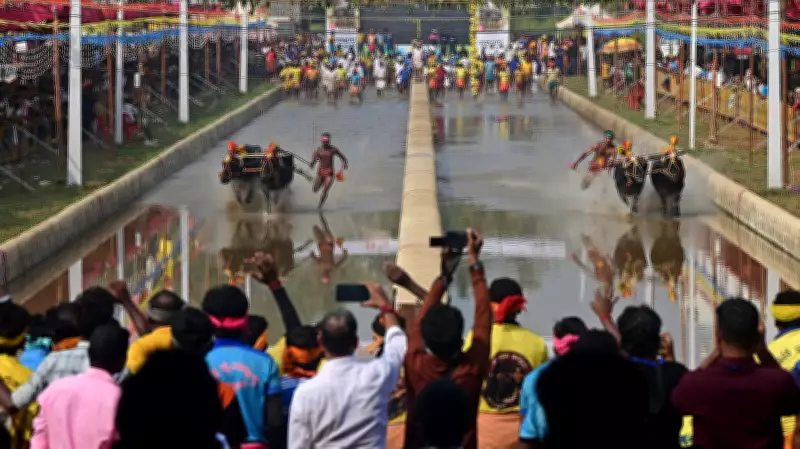
Kambala's Evolving Stride: Tradition Transforms Across Karnataka's Coastal Belt
The familiar, thunderous sight of buffaloes racing through muddy tracks has become a weekend staple across the coastal districts of Dakshina Kannada, Udupi, and Kasaragod in Kerala during the annual Kambala season. This traditional sport, deeply rooted in the agrarian culture of the Tuluva region, is currently experiencing a period of significant evolution and transformation.
A Weekend Spectacle Across Coastal Karnataka
Every weekend, as the Kambala season unfolds, communities gather to witness this unique spectacle. The events are not merely races but vibrant cultural festivals that celebrate local heritage, drawing participants and spectators from across the region. The districts of Dakshina Kannada and Udupi in Karnataka, along with the neighboring Kasaragod district in Kerala, form the epicenter of this activity, with multiple venues hosting competitions that blend athleticism with tradition.
The sport involves jockeys, known as Kambala jockeys, sprinting alongside pairs of specially trained buffaloes through waterlogged paddy fields. The synchronization between man and animal is crucial, requiring immense skill and years of practice. Recent seasons have seen an increase in professional training methods and better care for the buffaloes, reflecting a modern approach to this ancient practice.

Spotlight on Jockeys and Buffalo Owners
A vivid example of this evolving tradition was captured at the Veera-Vikrama Jodukare Kambala held at Kodange in Bantwal taluk. Here, jockey Bhatkala Pandu demonstrated remarkable prowess, guiding a powerful pair of buffaloes owned by Rama Suvarna through the challenging track. Such events highlight the growing recognition of jockeys as athletes and the importance of buffalo owners who invest in breeding and training these animals.
The involvement of local sponsors and improved organization has elevated Kambala from a rural pastime to a structured sporting event. This shift is attracting younger participants and larger audiences, ensuring the tradition's continuity while adapting to contemporary expectations.
Cultural Significance and Modern Adaptations
Kambala is more than a sport; it is a cultural institution that reinforces community bonds and honors agricultural roots. The races are often held in conjunction with local temple festivals, adding a spiritual dimension to the competitions. However, the modern iteration of Kambala incorporates elements such as standardized rules, timing systems, and safety measures for both jockeys and animals.
- Increased media coverage and social media presence have amplified its reach beyond regional boundaries.
- Debates around animal welfare have led to stricter regulations and more humane training practices.
- Economic opportunities through tourism and local commerce are being leveraged, benefiting the coastal economy.
This blend of preservation and progression ensures that Kambala remains a dynamic and relevant part of Karnataka's cultural landscape, striding confidently into the future while honoring its storied past.