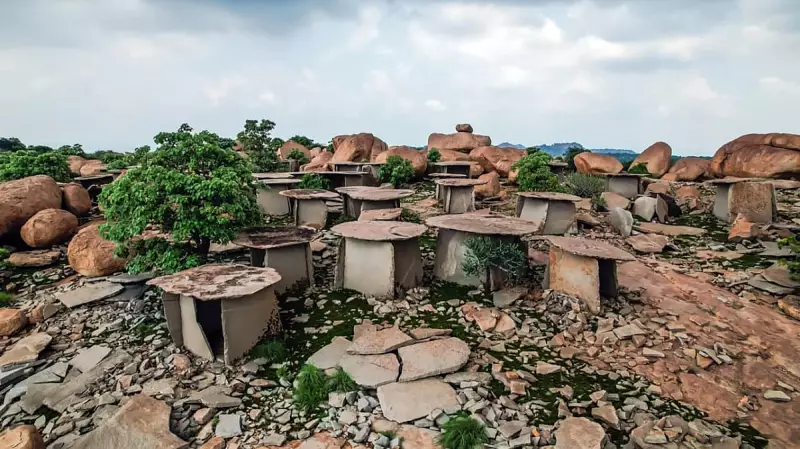
Archaeologists are racing against time to study the vanishing prehistoric legacy of Karnataka, which lies hidden within its ancient ash mounds. These unique sites are providing an unprecedented window into the lives, habits, and social structures of early communities that laid the groundwork for urbanisation in the region.
Windows into a Lost World
The ash mounds, scattered across parts of Karnataka, are not mere piles of dust. They are monumental archives of a bygone era. Researchers have determined that these mounds were created through repeated burning events, likely associated with large-scale cattle penning and ritualistic practices by early agro-pastoral communities. The findings from these sites offer crucial insights into food habits, fertility rituals, and the complex social organisation of prehistoric societies that thrived long before recorded history.
Decoding the Foundations of Urban Life
The significance of these ash mounds extends far beyond understanding daily life. Archaeologists posit that the social and economic systems developed by these early people directly contributed to the later process of urbanisation in present-day Karnataka. The transition from nomadic pastoralism to settled, organised community life is etched in the layers of these mounds. By analysing the composition and artefacts within, experts can trace the evolution of technology, trade, and communal living that formed the foundation for more complex settlements.

The research, highlighted in reports dated 27 December 2025, underscores the urgent need for preservation. As development encroaches, these non-descript mounds face the threat of complete erasure, taking with them irreplaceable chapters of human history. The work of archaeologists like Pavan Kumar H is vital in documenting and interpreting these sites before they disappear forever.
A Legacy in Peril
The story of Karnataka's ash mounds is a compelling reminder of the fragile nature of prehistoric heritage. Unlike grand stone monuments, these earthen formations are easily overlooked and destroyed. Their study requires meticulous excavation and interdisciplinary analysis to piece together the narrative of early agro-pastoral life. The key revelations from these mounds include:
- Insights into early food production and animal husbandry practices.
- Evidence of communal rituals and possible ceremonial activities.
- Understanding of social hierarchy and labour organisation in pre-urban societies.
Each mound is a time capsule, and its loss would mean severing a direct link to the pioneers who first shaped the cultural landscape of Karnataka. Protecting this legacy is not just about preserving the past but about understanding the deep roots of human settlement and social evolution in southern India.