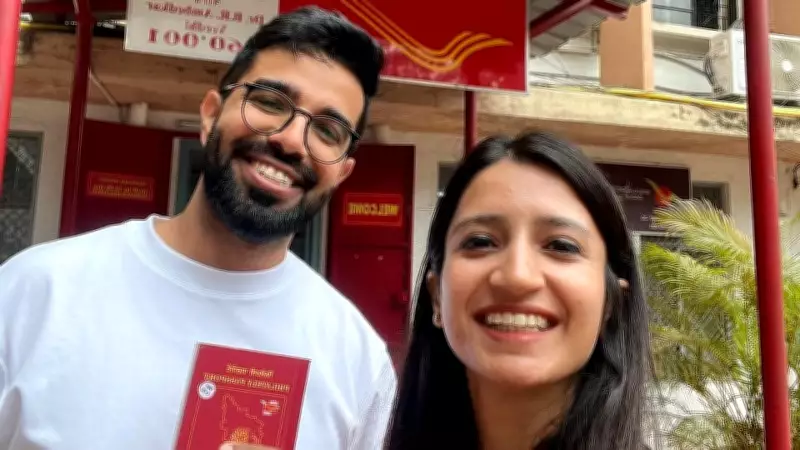
Karnataka Unveils Innovative 'Passport' for Heritage Landmarks
In a groundbreaking move to promote cultural tourism, the Karnataka government has launched a unique 'Passport' scheme for heritage landmarks across the state. This initiative aims to encourage tourists and locals to explore historical sites, temples, and natural wonders, fostering a deeper appreciation for Karnataka's rich cultural heritage.
How the Passport Scheme Works
The 'Passport' functions as a physical or digital booklet where visitors can collect stamps or seals upon visiting designated landmarks. Key features include:
- Participation Sites: Over 50 heritage sites, including Hampi, Mysore Palace, and Badami caves, are part of the initial rollout.
- Stamp Collection: Tourists receive unique stamps at each location, creating a memorable record of their travels.
- Incentives: Completing visits to a set number of sites may offer rewards, such as discounts on future tours or special recognition certificates.
This scheme is designed to boost footfall at lesser-known sites, supporting local economies and preserving cultural assets.

Benefits for Tourism and Economy
The initiative is expected to have significant positive impacts:
- Enhanced Visitor Engagement: By adding an interactive element, the passport makes tourism more engaging, especially for families and educational groups.
- Economic Boost: Increased tourism can generate revenue for local businesses, including hotels, restaurants, and guides.
- Cultural Preservation: Highlighting heritage sites raises awareness about conservation efforts, ensuring these landmarks are maintained for future generations.
Officials have emphasized that this scheme aligns with broader goals to position Karnataka as a top cultural destination in India.
Implementation and Future Plans
The passport scheme is being rolled out in phases, starting with major cities like Bengaluru and Mysuru. Authorities plan to expand it to include more sites and integrate digital features, such as a mobile app for easier tracking. Collaboration with tourism operators and local communities is key to its success, ensuring smooth operations and widespread promotion.
This innovative approach not only revitalizes interest in Karnataka's heritage but also sets a precedent for other states to adopt similar tourism models.