In Kashi, Renovation Is Also Part of the Eternal Cycle
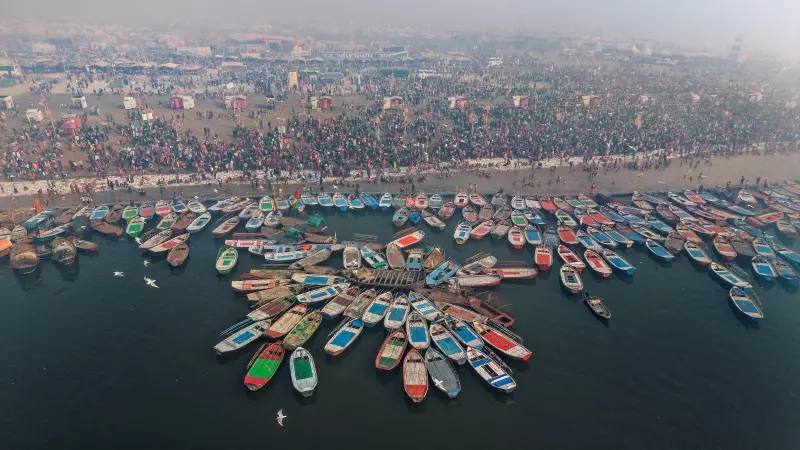
A densely packed pilgrimage centre began surrounding what was once a secretive and sacrosanct space haunted only by sadhus, relatives of the dead waiting for cremation and, of course, the restless souls of the departed. The renovation of Manikarnika Ghat keeps the storytellers busy these days, weaving narratives that connect the present to ancient traditions.
Kashi: A Theatre of Life and Death
Kashi is a city accustomed to treating the world as a theatre for celebrating the timeless cycle of Life and Death. As Walter Benjamin noted, Death is the sanction of everything that the storyteller can tell. The storytellers of Kashi are spread across various ghats, with the oldest being Manikarnika Ghat. On the steps of these ghats, and at the tea shops and kiosks lining the roads leading to them, sit the garrulous denizens of this timeless city, always ready with a tale that often serves as a preface to a deeper philosophical insight—or not, because Kashi also possesses a great, somewhat brackish sense of humour.
Historical Context of Renovation
The renovation of Manikarnika Ghat is not an isolated event; rebuilding and renaming ghats have been ongoing for centuries. The mercurial eastern rivers frequently wash away the earth beneath structures, causing steps and bathing areas to crack and crumble. This holy work has historically been financed by wealthy pilgrims, such as the 18th-century trader Vacchhraja and Raja Man Singh of Amber in the 16th century. In the 19th century, the famed Jarasandh Ghat was restored by Meer Rustam Ali, the police head for Kashi, and renamed Meer Ghat.

Recent Controversies and Responses
The recent furore over the rebuilding and expansion of the area around Manikarnika Ghat arose from the removal of several small temples and the statue of Maratha queen Ahilyabai Holkar, who built and restored many holy sites, including the present-day Kashi Vishwanath temple. Ahilyabai’s statue was depicted in widely circulated clips as lying among debris, sparking protests. The Holkar family of Indore sent a note of protest, and other groups alleged desecration of temples. In response, the Chief Minister visited the site, assuring the media that the queen’s statue and others were safe and would be reinstalled after the Manikarnika Teerth Corridor was rebuilt. He also noted that the original demand for expansion came from the Dom Raja, whose family has controlled the area for generations.
Ancient Origins and Resilience
The area housing the cremation grounds and sundry temples, storytellers recount, predates recorded history. Once a dark place where river banks ended and dense forests began, the forests have since vanished. Over time, a bustling pilgrimage centre emerged around this once-secretive space. Until Alauddin Khilji’s era, Hindus freely built temples to various manifestations of Lord Shiva. Later, under the Lodhis of Delhi and Sharqi sultans of Jaunpur, assertive Islam led to considerable destruction of old buildings. Yet, Kashi demonstrated remarkable resilience, bouncing back to rebuild. By the 17th century, a sort of ceasefire was declared.
Cultural and Political Evolution
During the decline of the Mughal Empire, the court of the Maharaja of Benaras, his Nagar Kotwal Meer Rustam Ali, and later the British Resident’s house became centres for classical discourses on oriental culture among pandits, Muslim nobility, and British orientalists. By 1734, Maratha lords initiated a fervent rebuilding of Kashi’s holy ghats and temples. Concurrently, disputes over sharing taxes levied at cremation ghats were common. For instance, Kashmirimal, displeased by the greed of Doms at Dashashwamedha Ghat, brought his mother’s body for cremation to Manikarnika and, in gratitude, rebuilt the ghat and paid regular wages to its keepers.

Reflections on Change
Those days are now past, as echoed in the song of old singer Pyare Ustad: Nahin rahe woh Dara Sikandar, do din ki afsaree rahi/ Chale gaye sub Mulk e Adam ko, na khushki rahi, na taree rahi (Those great stalwarts are no more, their rule lasted but two days. Ultimately all left for Adam’s final abode, after them things have been neither dry nor wet). This sentiment captures Kashi’s enduring spirit, where renovation is not merely physical but a continuation of its eternal narrative, blending history, faith, and humour in the face of constant change.