Why Children Are Drawn to Screens Instead of Culture
Every parent has uttered these words at some point: "These kids only know phones. They don't know our culture." However, if we examine the situation honestly, culture struggles to compete with screens when it is presented merely as a set of instructions.
Wear this. Don't wear that. Do namaste. Don't sit like that. Come for pooja. Don't ask questions. This is our tradition. Just do it.
In contrast, screens offer a rich tapestry of stories, music, color, humor, characters, drama, and entertainment. Tradition often arrives with rules and silence, making one feel interesting and the other feel like tedious homework.

The Real Issue: Boring Presentations, Not Lack of Interest
The problem is not that children lack interest in culture. The issue lies in how culture is introduced to them in the most monotonous way possible. Children naturally love stories, and every tradition is brimming with narratives about gods, kings, journeys, festivals, food, clothes, languages, weird rituals, strange beliefs, and funny family customs.
Instead of sharing these captivating tales, we frequently provide instructions. Consequently, culture becomes something to follow rather than something to discover. If you tell a child, "Today is a festival, wear this and come," they might comply. But if you say, "Today is a festival because 2,000 years ago this strange and interesting story happened," you instantly capture their attention.
Culture survives through stories, not rules.
Avoiding the Unnecessary War Between Tradition and Modernity
We sometimes frame tradition and modern life as enemies, suggesting that liking international music means disrespecting classical music, wearing western clothes shows a lack of respect for traditional attire, or speaking English indicates disregard for one's mother tongue.
This dichotomy forces children to choose sides: modern or traditional, phone or festival, Netflix or mythology. This creates an unnecessary conflict. Culture regains its "cool" factor when it becomes visible, wearable, edible, singable, and shareable, rather than preachy.
- When festivals involve not just rituals but also food, cousins, music, decorations, stories, photos, chaos, and laughter.
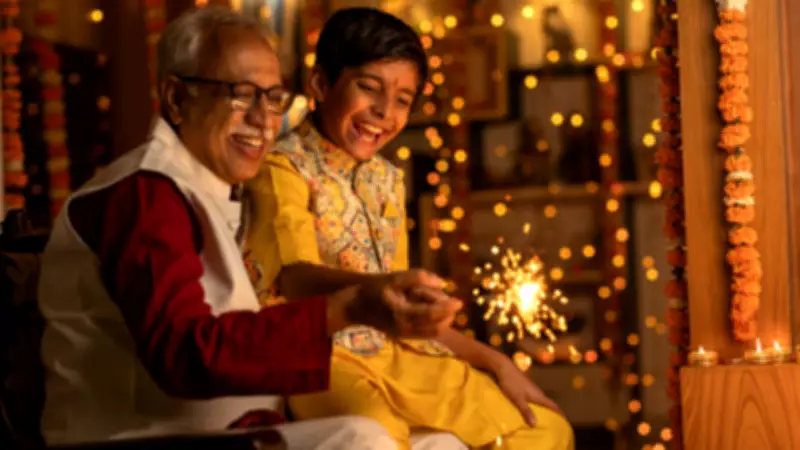
- When grandparents tell stories instead of only correcting behavior.
- When traditional clothes are worn with confidence, not forced only for photos.
- When language is spoken with pride, not only when scolding.
Embracing Culture as Identity, Not Obligation
Children do not reject culture itself; they reject boring explanations and forced behavior. If culture enters their lives solely as rules, they will escape into screens. However, if culture is presented as stories, food, music, family drama, mythology, travel, art, language, and identity, it can easily compete with any screen.
Screens have content, but culture has stories that belong to you. When children realize these stories are theirs, not just old people's rules, culture stops feeling old-fashioned. It starts feeling like identity.