India's Luxury Retail Ambitions Confront a Critical Infrastructure Hurdle
The rapid expansion of India's luxury retail sector is facing a significant and unexpected obstacle: a severe shortage of premium shopping malls. This infrastructure gap is threatening to stall the growth of a market that has been projected to surge in the coming years, as high-net-worth consumers increasingly seek sophisticated retail environments.
DLF's Delayed Expansion Plan Highlights the Issue
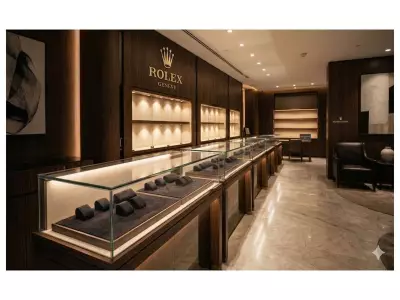
A prime example of this challenge is the planned expansion of DLF's iconic Emporio mall in New Delhi. The luxury retail destination is set to undergo a major renovation that will effectively double its current leasable area of 160,000 square feet. This expansion is crucial to accommodate more international luxury brands eager to establish a foothold in the Indian market.
However, the project timeline reveals a stark reality. According to reports, the expanded Emporio is not expected to be fully operational until the end of 2028. This multi-year delay underscores the slow pace of developing adequate retail infrastructure to match consumer demand and brand ambitions.

The Growing Demand Versus Supply Mismatch
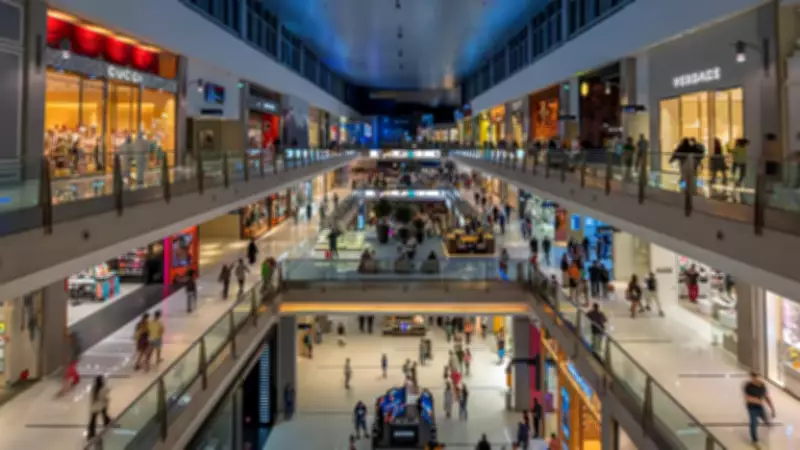
India's economic growth has fueled a burgeoning class of affluent shoppers, with increasing disposable incomes and a strong appetite for luxury goods. International brands from fashion to jewelry have been aggressively planning their entry or expansion into the country. Yet, the physical spaces required to house these brands—specifically, Grade-A malls with the right ambiance, security, and tenant mix—are not keeping pace.
This mismatch creates a bottleneck, where brands are ready to invest, but suitable retail locations are scarce. The situation is particularly acute in major metropolitan areas like Delhi, Mumbai, and Bangalore, where real estate costs and regulatory hurdles further complicate mall development.
Broader Implications for the Retail Economy
The shortage of luxury malls has several ripple effects across the economy:
- Delayed Market Entry: Many global luxury brands may postpone or scale back their India launches due to the lack of premium retail space.
- Missed Revenue Opportunities: Retailers and mall operators are potentially losing out on significant sales and rental income during this period of constrained supply.
- Consumer Experience Gaps: Shoppers seeking a consolidated, high-end shopping experience have limited options, which could drive spending abroad or online.
While the DLF Emporio expansion is a positive step, its 2028 completion date signals that solutions are still years away. Industry experts suggest that accelerating mall development, repurposing existing structures, and exploring innovative retail formats could be necessary to bridge this gap sooner.
In conclusion, India's promise as a luxury retail powerhouse is undeniable, but its trajectory is currently hampered by a fundamental lack of infrastructure. The delayed expansion of key assets like Emporio serves as a clear indicator that without faster development of premium shopping spaces, the sector's growth may remain constrained for the foreseeable future.