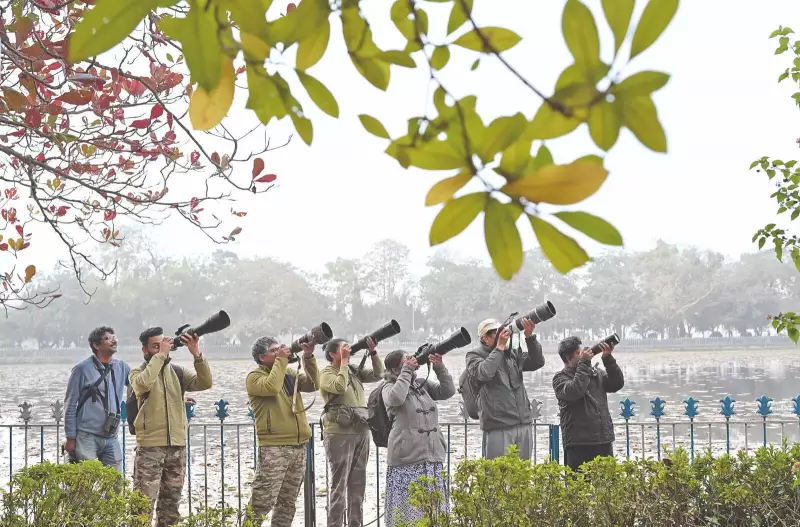
At the crack of dawn in Kolkata's Rabindra Sarovar, a silent congregation gathers. Tripods remain stowed, camera lenses gleam after a careful wipe, and fingers rest poised above shutter buttons. A hushed whisper cuts through the morning air: "Chunilal achhe." All eyes and long lenses focus on the reeds, where a black-and-white specter stands motionless before vanishing into the sky. This fleeting magic is fueling a significant urban trend: the rapid rise of bird photography, not just birdwatching, in the City of Joy.
From Calm Hobby to Captivating Habit
Despite concerning declines in migratory bird populations, exacerbated by rising air pollution and urban encroachment, Kolkata's residents are increasingly drawn to its wetlands. They seek the challenge and wonder of capturing a perfect, rare moment. Dr. Mitali Deb, Medical Superintendent at Jadavpur University and a bird photographer for nearly nine years, has witnessed this surge firsthand. "Earlier, photography-based birding was limited to a few," she notes. "Now, I see four to five new photographers almost every day."
The appeal lies in a unique blend of technical skill and outdoor serenity. Unlike demanding forest safaris, urban bird photography offers accessibility—a pursuit possible close to home before work or on a weekend, without the need for long travel or special permits. For graphic designer Tisha Mukherjee, a practitioner for two years, it's a holistic discipline. "You walk, you wait, you think," she describes. "You're constantly anticipating movement and light." Audio engineer Paramanu Sarkar, who often accompanies Tisha, highlights its social and persistent nature. "It builds friendships. You keep returning to the same spot, chasing the same bird, trying for a better frame."

The Birds and Their Beloved Daknams
Immerse yourself in this community, and you'll quickly learn that textbook names often give way to affectionate nicknames or 'daknams,' inspired by the birds' looks and behaviors.
- Bhuto (Male Pied Harrier): This black-and-white 'ghost bird' with large eyes is a winter migrant from Central Asia/Siberia. Prized by photographers, it flies low and disappears suddenly, creating dramatic shots.
- Chotu (Indian Paradise Flycatcher, white morph): With a snow-white body and a long, flowing tail that seems to float, this local migrant is often called 'swarger pakhi' (bird of heaven) for its mesmerizing beauty.
- Chunilal (Siberian Rubythroat): Named for its stunning ruby-red throat, this shy and quick migrant arrives from Siberia around October-November. It offers only brief windows for photography, making it a high-skill subject.
- Lalu (Red Avadavat / Red Munia): A bright red, much-loved bird that appears in flocks from September, often nesting in Kaashphool and drawing photographers to specific hotspots.
Gearing Up Smart: Advice from the Field
While bird photography is often seen as equipment-heavy, seasoned photographers advise against an overly ambitious start. Sudip Ghosh, an IT professional and birder since 2012, cautions beginners. "You don't start with a full-frame body and a huge lens," he says. "Most people grow into their gear." He points to easier access through EMIs and a vibrant second-hand market, attracting both young professionals and a growing segment of patient retirees.
A sensible progression for beginners often includes:
- Binoculars (₹5,000–₹10,000): An 8x42 model is a popular start, aiding in spotting and learning bird behavior before even lifting a camera.
- Bridge Cameras (₹10,000–₹65,000): Super-zoom models like the Nikon P900 series are excellent starters for documenting species without investing in interchangeable lenses, though they have limitations in low light and action shots.
- DSLR/Mirrorless + Telephoto Lens (₹50,000–₹80,000 used): A used crop-sensor body paired with a 150-600mm lens offers great value for those ready to upgrade, though the setup can be intimidating initially.
Kolkata's Premier Birding Hotspots
Where does one go to pursue this passion in the city? Photographers frequent several key wetlands:

- Rabindra Sarobar: Highly accessible with reliable sightings, best at first light.
- Rajarhat Wetlands: A prime location for the Red Avadavat (Lalu) and Siberian migrants.
- Baruipur Marshes: Famous for the Pied Harrier (Bhuto) and other winter visitors, ideal for long shots.
- New Town Wetlands & Eco Park: Emerging, quieter spots good for Paradise Flycatchers (Chotu) and small migrants.
- Singur & Bashipata Marshes: Excellent weekend destinations for large flocks and migrants.
The activity's growth brings a critical responsibility: ethical birding. Experts like Sudip Ghosh, a member of the Birdwatcher's Society, emphasize strict guidelines: no baiting, feeding, or using call playback to attract birds. The mantra is to wait patiently, avoid noise and strong scents, and never disturb the subjects for a shot.
As Priyam Chattopadhyay, another society member, notes, recent bird counts have highlighted rare species from Gajoldoba to Baruipur. With the cold wave receding, even better sightings are anticipated across Bengal's wetlands, promising more captivating moments for Kolkata's dedicated and growing community of bird photographers.