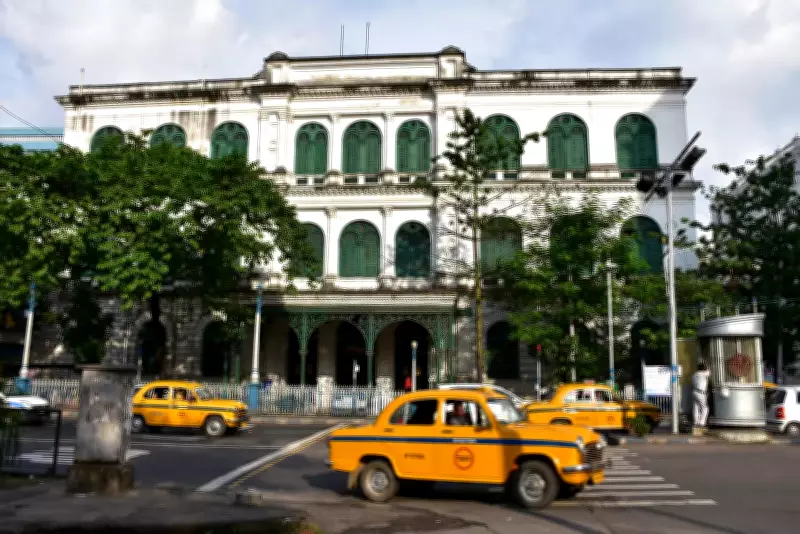
Kolkata's Historic Landmarks Reimagined as Cultural Destinations
As Calcutta Times celebrates its 25th anniversary, attention turns to the city's architectural treasures that have undergone remarkable transformations. Two colonial-era structures in particular—Currency Building and Metcalfe Hall in B.B.D. Bagh—epitomize Kolkata's evolving cultural landscape through their journey from neglect to vibrant revival.
The Currency Building: From Financial Hub to Artistic Sanctuary
Historical Significance: Originally constructed in 1833 as the Calcutta branch of Agra Bank, this Italianate structure gained its current name in 1868 when it became the Office of the Issue and Exchange of Government Currency. During British rule, its cavernous central hall buzzed with activity as exchange counters facilitated transactions involving coins, banknotes, and precious metals.
Notably, between 1935 and 1937, the building briefly served as the inaugural central office of the Reserve Bank of India before the institution relocated to Bombay.

Decline and Restoration: Following decades of deterioration and partial government use, the building faced imminent demolition in the mid-1990s until heritage activists intervened. The Archaeological Survey of India (ASI) subsequently assumed control, undertaking extensive restoration that culminated in the building's 2020 reopening as a cultural venue.
Current Role: Today, in partnership with the National Gallery of Modern Art (NGMA), the Currency Building functions as an exhibition space while preserving historical elements like two original metal currency chests. Visitor Priya Das describes the experience as "opening a forgotten diary," noting how "the architecture reminds you of its past, but the art exhibitions make the space feel alive again."
Metcalfe Hall: Classical Architecture Meets Modern Museum
Architectural Marvel: Completed in 1844 just a short walk from Currency Building, Metcalfe Hall showcases striking Greek Revival design with imposing Corinthian columns and a grand temple-inspired façade. Originally housing the Calcutta Public Library—among India's earliest public libraries—the building later accommodated the Asiatic Society before suffering structural decline.
Conservation and Rebirth: Following ASI-led restoration, Metcalfe Hall now hosts the Ami Kolkata Museum, which narrates the city's story through photographs, artifacts, and multimedia displays. Student Dibyajyoti Bose observes that "Metcalfe Hall has become a great place for art lovers and also a selfie spot," adding that "just stepping inside feels amazing."
Why These Transformations Matter
- Both buildings were rescued from severe neglect through dedicated conservation efforts
- They occupy historic B.B.D. Bagh, bridging Kolkata's colonial heritage with contemporary cultural purposes
- Currency Building offers free access to art exhibitions within a meticulously restored heritage structure
- Metcalfe Hall's museum provides immersive insights into Kolkata's urban narrative
- Together, they demonstrate how historic architecture can evolve into living public spaces rather than static relics
Dr. Rajendra Yadav, Superintending Archaeologist of ASI Kolkata Circle, emphasizes the transformation: "Both these buildings were in very pathetic condition. The stairs and interiors were damaged over the years. Most of the portions that you see today have been restored by the ASI, and now they are functioning as cultural spaces where people can reconnect with their heritage."
These architectural revivals represent more than physical restoration—they symbolize Kolkata's commitment to preserving its layered history while creating dynamic cultural destinations for future generations.