Hindustan Park: The Evolution of a Kolkata Neighborhood
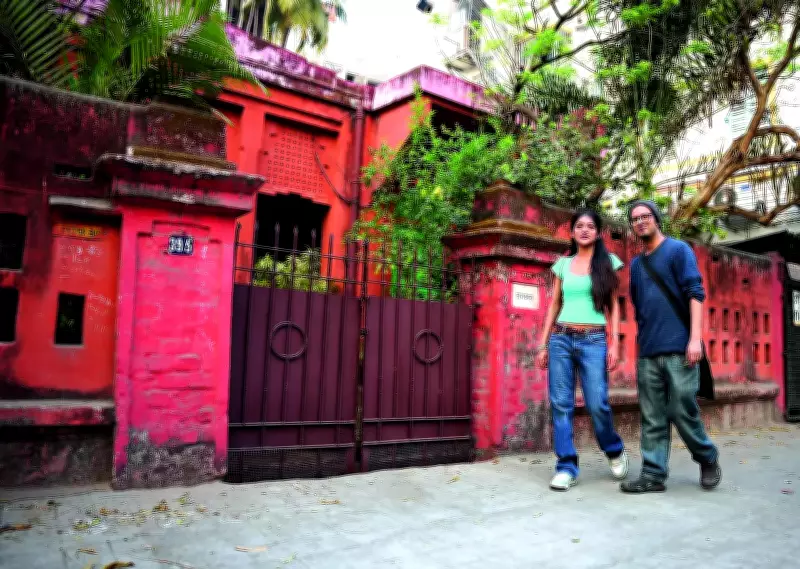
Few neighborhoods capture the changing urban narrative of Kolkata as vividly as Hindustan Park. Once characterized by shaded lanes and tightly knit residential life, this area has gradually evolved into a dynamic cultural pocket where cafes spill onto pavements, restored homes host creative businesses, and conversations extend well beyond coffee hours.
The Architectural and Economic Shift
By the mid-2010s, Hindustan Park reached a significant turning point. Residential ground floors began transforming into cafes, studios, and boutiques, reshaping both the streetscape and local economy. Grant Walsh, owner of 8th Day Café & Bakery, recognized the potential after strong demand from South Kolkata customers and opened his Jatin Bagchi Road outlet in 2018.
"Most spaces are intimate," Walsh explains, "and that keeps the character intact while allowing businesses to thrive." The tree-lined streets, walkable lanes, and community energy made the neighborhood ideal for small-format enterprises.

Shuli Ghosh, co-founder of Sienna Calcutta, notes that the transformation was cultural as well. When they opened in 2015, Byloom was the only store and cafe in the area. Over time, cafes, design studios, and retail spaces emerged, creating a self-sustaining neighborhood ecosystem.
"Adaptive reuse became key – preserving verandahs, wooden beams, and façades while giving old homes a new purpose and generating employment locally," Ghosh elaborated.
From Residential Rhythm to Public Engagement
Architect Anjan Ukil traces the shift even earlier to the late 1990s and early 2000s, when homes began opening visually and functionally to the street. Glass storefronts replaced boundary walls, encouraging interaction and turning private residences into public-facing spaces without overwhelming the locality's scale.
For longtime residents, Hindustan Park was always about familiarity – quiet walks, neighborhood parks, and a strong sense of belonging. Actor Anusha Viswanathan, who grew up in the neighborhood, remembers winding lanes and evening strolls under tree cover.
"Over time the area began glowing differently with cafes and boutiques slowly lighting up the neighborhood, drawing more people while retaining its lived-in charm," she said.
Director Mainak Bhaumik recalls South Kolkata in the early 2000s as largely residential but well-connected. The change began subtly when independent cafes and boutiques appeared, offering residents a local alternative to established city hubs.
"It became more personal with spaces crafted with individuality rather than uniform branding," Bhaumik observed.
The Neighborhood's Enduring Appeal
For residents like Anusha, the spirit of South Kolkata lies in participation from all who live, visit, and pass through the locality. Parks, cafes, and shared public spaces continue to anchor everyday life, ensuring the neighborhood remains youthful and welcoming.
Anusha Viswanathan emphasized: "I've grown up here and have always loved the fact that houses here have character – it gives the locality its unique aesthetic."
Mainak Bhaumik added: "The essence of this place is in its stories and adda. People come here to unwind – that's the real vibe of South Kolkata."
Anjan Ukil, who is also a resident, has witnessed this evolution firsthand. "South Kolkata is no longer just a residential area; it is a dynamic civic and cultural zone that has evolved while retaining its roots. Through my professional work as an architect, I see the neighborhood as a living gallery where tradition and modern urban life are seamlessly integrated," he shared.
A Neighborhood for Everyone
Today, Hindustan Park attracts a diverse mix of families, students, entrepreneurs, artists, and visitors discovering the city through its smaller streets. Grant Walsh describes the cafe community as a meeting ground where friendships form and generations mingle within walking distance.

"Increased collaborations, pop-ups, and cultural exchanges turn the area into a participatory urban space," explains Shuli Ghosh, who noted: "We wanted to give an old home a new chapter without losing its memory – that balance defines South Kolkata today."
For Mainak Bhaumik, the neighborhood's appeal lies in its distinct social code: less nightlife spectacle, more unpretentious adda. From an architectural perspective, Anjan Ukil describes the present identity as a blend of retrofitted heritage and contemporary evolution of its art deco roots.
"Now, old balconies coexist with open retail fronts, creating streets that engage with the city rather than retreat from it. New projects often use local materials like terracotta or exposed brick to respect the past while adding modern glass and steel. This balance creates an inclusive identity," he explained.
Grant Walsh summarized: "If you build a space that fosters community, people naturally come together – and South Kolkata has truly embraced that spirit."