Kolkata's Miniature Crafting Boom: From Therapy to Tiny Worlds
In the bustling city of Kolkata, a quiet revolution is unfolding as ordinary workstations and even children's tables transform into vibrant crafting corners. From compact shoebox rooms to meticulously crafted clay Bengali thalis and replicas of iconic College Street bookstores, the art of miniature making is capturing hearts. This trend thrives on patience and the profound joy of constructing tiny, hand-built worlds that offer a respite from daily life.
The Calm of Crafting: A Therapeutic Escape
Working professionals across Kolkata are increasingly finding solace and emotional fulfillment in miniature making. Chartered accountant Priyam Dalmiya emphasizes that this craft reflects a deeper emotional need, stating, "Miniature art has long existed, but adults are rediscovering it as therapy. Since it can be personalized, the result feels meaningful and appreciated." Similarly, health ministry professional Murchhana Banerjee approaches the craft with a focus on realism, explaining, "Drawn to realism since school, I discovered miniatures by accident on Instagram. It was only when I started making them that I realized how meticulous and disciplined the craft truly is."
The DIY Appeal: Building Worlds from Everyday Objects
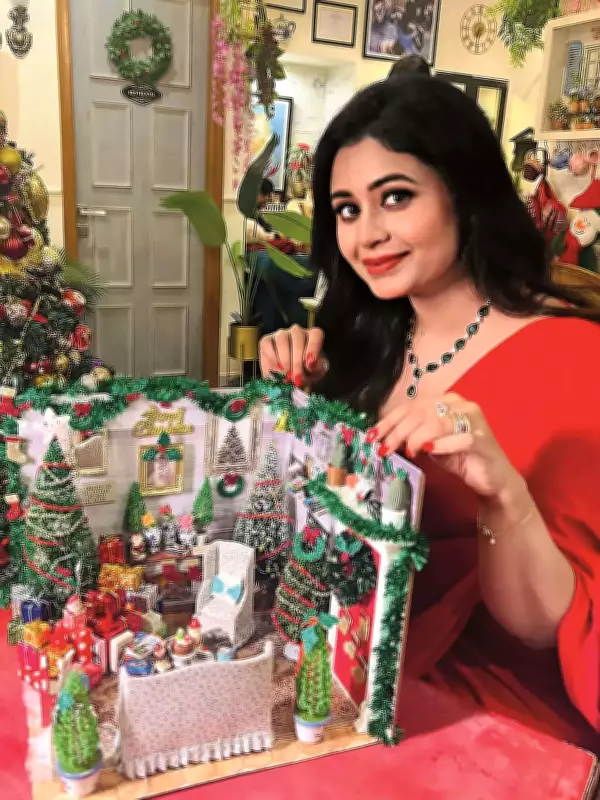
If miniature-making piques your interest, look no further than your surroundings—everyday items can become the foundation for tiny universes. Actor Ritabhari Chakraborty, who primarily creates models in a 1:12 ratio, highlights the importance of improvisation: "Matchboxes can transform into tables, shola beads can mimic oranges, and masala boxes can serve as bases. You just need to view objects through a creative lens." For Agnika Banerjee, who left her corporate job to pursue miniature crafting full-time, the motivation is cultural. She notes, "My focus on hyper-realistic Bengali food miniatures stemmed from a desire to fill a cultural void. While machine-made magnets exist, they lack detail. I aimed to create something deeply rooted in our heritage."

Detail Takes Discipline: The Rigor Behind the Art
Though miniature-making may appear playful, artists stress that it demands significant discipline and precision. Agnika works extensively with references, explaining, "Even the same dish can vary in color and texture. Understanding how something is made in real life is crucial; only then can you create realistic layers." Murchhana Banerjee concurs, adding, "Pictures alone aren't sufficient. If you're sculpting a samosa, you must know how it's folded and cooked. Without grasping the structure, achieving realism is impossible." Ahona Mukherjee, a design student, underscores the time and scale involved: "A simple piece might take a day, but complex dioramas can require months of work, entirely dependent on detailing." She also points out that pricing reflects the time, detail, and materials invested, with basic miniatures costing a few hundred rupees and highly detailed commissions reaching tens of thousands.
Pocket-Sized Insights: Tips for Aspiring Miniaturists
Embarking on a miniature-making journey doesn't require fancy supplies. Here are key insights from the artists:

- Start Simple: Premium tools and clay can come later. Begin with what you have—old packing boxes, thermocol, straws, toothpicks, and bottle caps.
- Explore Mixed Media: Think beyond clay; miniatures can incorporate wood, paper, fabric, and other materials for diverse textures.
- Invest Wisely: Tools are the biggest long-term expense, but they are durable and can last for years with proper care.
- Embrace Trial and Error: Perfection rarely happens on the first attempt. Experimentation is a natural part of the process.
- Choose Your Clay: Air Dry clay is user-friendly for beginners, while Polymer clay allows for finer, more intricate details.
As Priyam Dalmiya advises, "Start with what you have. As you observe and experiment, ideas will naturally flow." Murchhana Banerjee adds, "Miniature-making trains your eyes to find magic in every detail—be it textures, arrangements, or colors." Ritabhari Chakraborty shares her approach: "Whether I use references depends on the project. For specific items, like Monica's apartment from Friends, I follow images for accuracy. For generic spaces, I let imagination guide me and improvise."
This growing trend in Kolkata not only showcases artistic skill but also highlights how miniature crafting serves as a therapeutic outlet, a cultural expression, and a creative discipline that transforms the ordinary into the extraordinary.