Ancient Kondagai Skeletons Reveal Health Patterns of Keeladi Inhabitants
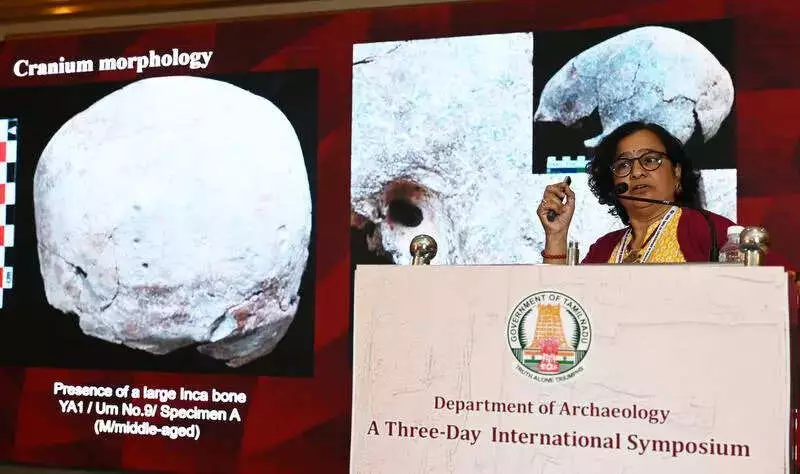
Archaeological findings from the Kondagai burial site near Keeladi have provided fascinating insights into the health and lifestyle of ancient populations in Tamil Nadu. Professor Veena Mushrif-Tripathy from Deccan College, Pune, presented these significant discoveries during the international symposium on Recent Scientific Studies in the Archaeology of Tamil Nadu, organized by the Tamil Nadu Department of Archaeology.
Excavation Findings and Demographic Analysis
The Kondagai excavation unearthed a total of 47 urn burials, one pit burial, and 23 surface burials. From these remains, researchers identified 38 individuals recovered from 26 urns and one pit burial. While typically one individual's skeletal remains are found per urn, archaeologists discovered some urns containing two or more individuals, suggesting unique burial practices.
Demographic analysis revealed the remains included 20 males, eight females, and three children, with seven additional individuals whose sex could not be determined. The population largely fell within the 40-year age range, with the youngest approximately 10 years old and the oldest around 50 years or above.

Health Conditions and Disease Patterns
Degenerative joint disease emerged as the most common condition, affecting vertebrae, rib facets, and foot bones. Professor Mushrif-Tripathy suggested this likely resulted from extensive physical labor, possibly agricultural work, indicating an active population engaged in demanding daily activities.
Dental analysis revealed several cases of cavities, which researchers attribute to high consumption of carbohydrates and sucrose-rich foods. The transition from pre-agricultural to agricultural populations shows a notable rise in dental caries, linked specifically to crops like maize and rice that became dietary staples.
Remarkably, minimal evidence of malnutrition was found, with only three individuals showing signs of anemia-related stress. This suggests the population generally maintained adequate nutrition despite their physically demanding lifestyles.
Archaeological Context and Significance
The Kondagai site has been identified as a burial ground used by inhabitants of Keeladi thousands of years ago. Its proximity to the Keeladi habitational area and shared cultural artifacts allow researchers to place Kondagai within the same temporal framework as the larger Keeladi settlement.
These findings provide valuable information about:
- Health challenges faced by early agricultural communities
- Dietary patterns and their impact on dental health
- Physical demands of ancient labor practices
- Burial customs and demographic distribution
The research contributes significantly to our understanding of daily life, health management, and social organization among ancient populations in southern India, offering a window into how early agricultural communities adapted to their environment and developed cultural practices around death and burial.