Lakkundi Archaeological Dig Nears Completion Without Gold Discovery
The much-publicized excavation in Lakkundi, conducted by the state archaeology department in collaboration with the Gadag district administration and Lakkundi Heritage Area Development Authority, is expected to be completed within the next five to six days. This development comes amid heightened public interest following earlier discoveries of antique jewellery and subsequent speculation about gold finds in the area.
From Jewelry Discovery to National Attention
Lakkundi first captured headlines when antique jewellery was unearthed during private land digging for house construction. Coincidentally, the state archaeology department resumed its previously rain-halted excavation on January 9, approximately when the jewellery discovery occurred. The excavation gained nationwide attention after rumors circulated about potential gold discoveries in Lakkundi, drawing keen interest from both the public and historians.
However, these expectations were not met, as no gold was ultimately discovered during the archaeological dig. The recent decision to conclude the excavation has consequently raised questions about the project's timeline and objectives.

Shortened Timeline and Significant Findings
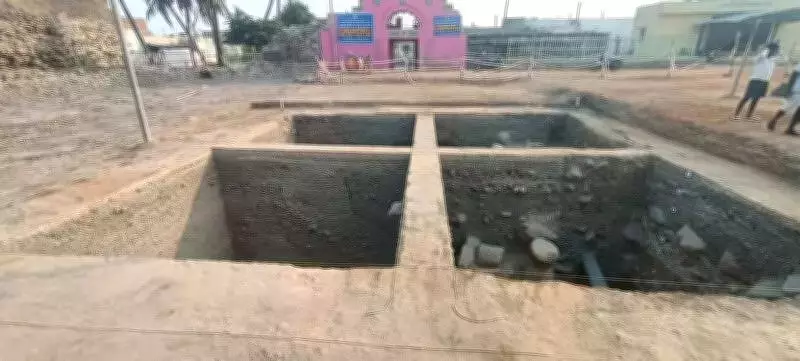
Sources indicate that while the department initially announced the excavation would continue for three to four months, it has now decided to wind up operations much sooner. The excavation site, measuring 10x10 square meters opposite the Kote Veerabhadreshwar Temple, was divided into four blocks of 2.5 meters each.
Over more than a month of digging, archaeologists uncovered numerous significant artefacts, including:
- An Adishesha sculpture with seven hoods
- Ancient stone inscriptions
- A donor (daana shastra) slab
- Dwarapalaka (guardian) sculptures
- Decorative stone fragments
The excavation also revealed distinctive sculptural patterns and rare stone carvings belonging to the Kalyana Chalukya, Hoysala, and Badami Chalukya periods, alongside human skeletal remains.
Official Explanation and Documentation
Shejeshwara R, director of the archaeology department in Hampi who oversaw the Lakkundi excavation, explained that the team is in the process of completing the dig within 5-6 days. "We have almost stopped digging in all four blocks, as we reached the natural soil level," he stated. "We usually stop excavation on reaching natural soil level. We reached that level after digging up to 9-10 feet."
The director noted that only a remaining 50-centimeter path between the four blocks requires excavation, which might take an additional 2-3 days before final activities conclude. On Monday, the department completed documentation of the excavation site using drone cameras and will soon submit a comprehensive report to the government.
Future Prospects and Clarifications
Regarding potential future excavations, Shejeshwara R emphasized that any decision to restart digging would require approval from the tourism department, state archaeology department, and Lakkundi Heritage Area Development Authority. He also clarified that the current excavation was planned well before the gold discovery rumors emerged and had no connection to gold prospecting.
"We undertook the excavation to unearth the artefacts and other things related to history, not for gold," the director firmly stated, addressing misconceptions about the project's purpose.
The conclusion of this excavation marks the end of a chapter in Lakkundi's archaeological exploration, having yielded valuable historical insights despite the absence of precious metals that initially captured public imagination.