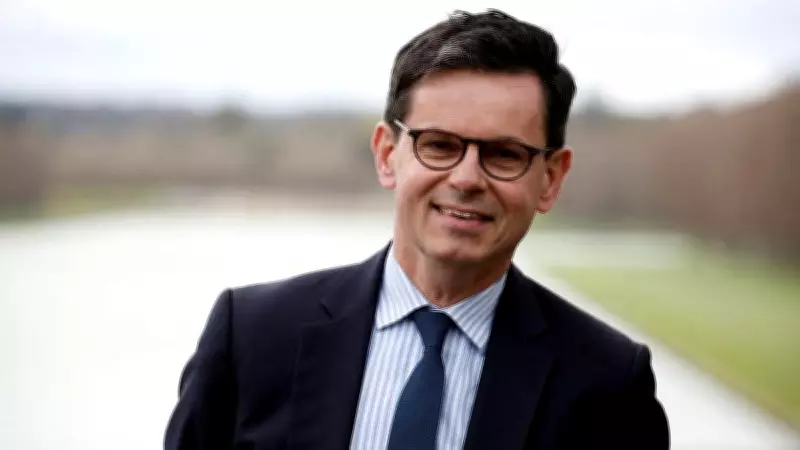
French Museum Veteran Leribault Assumes Leadership of Troubled Louvre
In a significant development for the global art world, a seasoned French museum chief has taken over the reins of the Louvre, one of the world's most prestigious cultural institutions. This leadership change comes at a critical juncture, as the museum grapples with a crisis sparked by a sensational heist of crown jewels that occurred in October.
Leadership Transition Amid Institutional Disarray
The new director, Leribault, aged 62, brings extensive experience to the role, having served in various high-profile positions within France's museum sector. His appointment follows the departure of Laurence des Cars, who stepped down amidst the ongoing turmoil. The Louvre, renowned for its vast collections and iconic status, has been in a state of disarray since the October incident, which exposed glaring vulnerabilities in its security protocols.
The crown jewels heist not only resulted in the loss of invaluable artifacts but also raised profound questions about the museum's ability to protect its treasures. This event has triggered widespread scrutiny from international art communities and security experts, casting a shadow over the institution's reputation.

Security Overhaul and Future Challenges
As Leribault assumes control, his immediate priorities are expected to include a comprehensive review and overhaul of the Louvre's security measures. The heist has highlighted the need for enhanced surveillance, better access controls, and more robust emergency response plans. Experts suggest that restoring public and institutional confidence will be paramount in the coming months.
Additionally, Leribault will likely focus on stabilizing the museum's operations and addressing internal management issues that may have contributed to the security lapse. The crisis has underscored the challenges of maintaining world-class standards in an era of increasing threats to cultural heritage.
Global Implications and Cultural Significance
The Louvre's predicament resonates beyond France, as it serves as a bellwether for major museums worldwide. Institutions in other countries are now reevaluating their own security frameworks in light of this incident. Leribault's leadership will be closely watched by international stakeholders, including governments, art historians, and tourism boards.
Key areas of focus for the new director include:
- Implementing advanced security technologies to prevent future breaches.
- Rebuilding trust with donors and the global art community.
- Ensuring the museum continues to fulfill its educational and cultural missions despite the setbacks.
This transition marks a pivotal moment for the Louvre, as it seeks to navigate out of crisis and reaffirm its position as a guardian of human history and creativity.