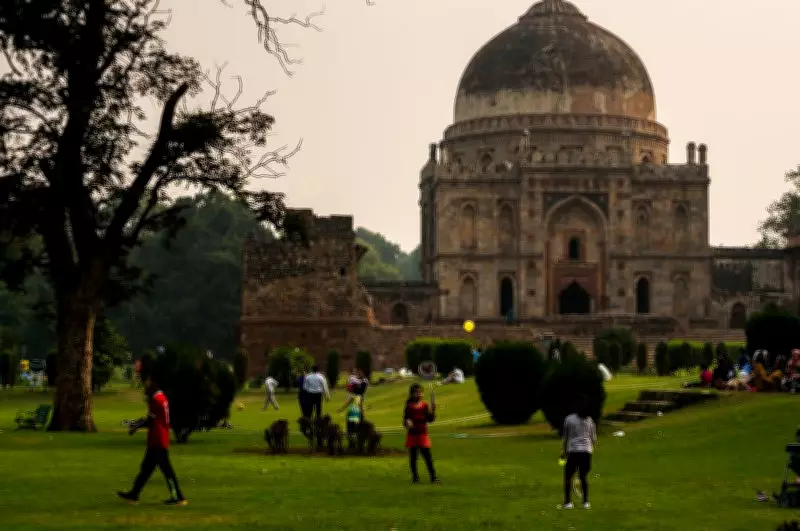
Lodhi Garden Celebrates 90 Years as Delhi's Premier Historical Green Oasis
Marking a significant milestone, Lodhi Garden in the heart of Delhi has reached its 90th anniversary, solidifying its status as the city's timeless green haven. This iconic park, originally established in the 1930s, masterfully blends centuries of history, rich architectural heritage, and much-needed urban calm into a single, sprawling landscape.
A Living Testament to 15th-Century Sultanate Architecture
The garden is renowned for housing some of Delhi's most precious historical monuments from the Lodhi and Sayyid dynasties. Visitors can explore the majestic Bara Gumbad, a large domed structure, the intricately designed Sheesh Gumbad, and the serene Mohammed Shah's Tomb. These 15th-century structures are not mere relics; they are integrated into the park's design, allowing history to breathe amidst lush greenery.
An Urban Sanctuary of Biodiversity and Tranquility
Beyond its historical significance, Lodhi Garden serves as a critical green lung for the bustling capital. Spanning approximately 90 acres, the park is a biodiversity hotspot, home to over 100 species of trees, numerous birds, and butterflies. It provides a vital escape from urban chaos, offering walking paths, well-maintained lawns, and quiet corners for meditation and relaxation.

The garden's design, influenced by British landscaping and later enhancements, promotes both conservation and recreation. It is a daily retreat for morning walkers, fitness enthusiasts, history buffs, and families, showcasing how urban spaces can harmonize nature with public utility.
Preserving Legacy and Fostering Community for Nine Decades
For 90 years, Lodhi Garden has been more than just a park; it is a community hub and a symbol of Delhi's layered past. Its preservation efforts, led by the Archaeological Survey of India and local authorities, ensure that the monuments and ecosystems are protected for future generations.
As the garden enters its tenth decade, it continues to stand as a unique model where heritage conservation, environmental sustainability, and urban wellness converge. It remains a must-visit destination, offering a peaceful respite and a tangible connection to India's rich historical tapestry right in the nation's capital.