As the chill of winter begins to recede, the vibrant communities of North India gear up to celebrate Lohri, one of the most prominent and joyous festivals for Sikhs and Hindu communities. Primarily observed in the states of Punjab, Haryana, and the national capital Delhi, this festival is a vibrant tribute to the end of the winter solstice and the successful harvesting of the rabi crop season. The festival is celebrated every year on January 13, filling the air with warmth, music, and communal harmony.
The Historical Roots and Significance of Lohri
The origins of Lohri are deeply entwined with Punjabi folklore and agrarian life. The very name of the festival is believed to be derived from the word 'lo', referring to a large griddle or 'tava' used to prepare a communal feast. The celebration is also a tribute to the legendary folk hero, Dulla Bhatti, a rebellious figure from the Mughal era who stood against Emperor Akbar. Renowned for his bravery and for rescuing Punjabi girls, his valiant deeds are immortalized in the traditional songs sung around the Lohri bonfire.
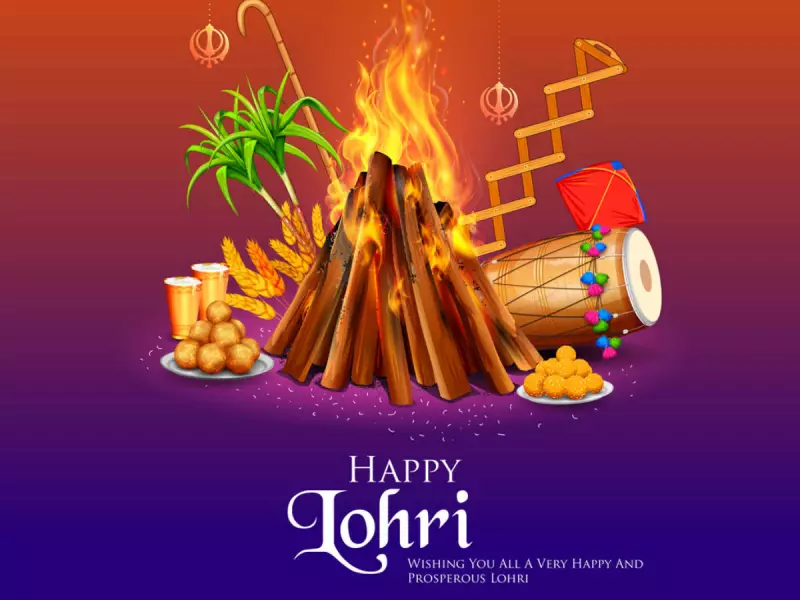
At its core, Lohri is a festival of gratitude. It is a time to thank the Sun God, Surya, and the sacred element of fire for bringing the warmth that leads to a bountiful harvest. The lighting of the bonfire is the central ritual, symbolizing the return of longer, warmer days.

Traditional Celebrations and Rituals
As evening descends on Lohri, families and communities gather in courtyards, parks, and open spaces to light a massive bonfire. In a symbolic gesture, small idols of the Lohri goddess, often crafted from cattle dung, are placed at the base of the fire. Dressed in colourful, traditional attire, people circle the roaring flames, performing the joyful bhangra and gidda dances.
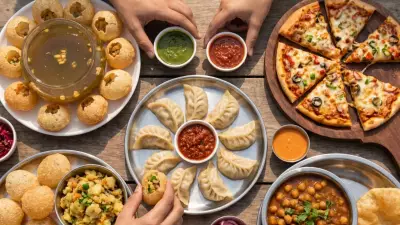
A key ritual involves offering sesame seeds (til), jaggery (gud), and rewaries into the fire. This act is a prayer for prosperity, sweetness, and good health. The night is filled with singing, dancing, and sharing festive foods like makke di roti (cornbread) and sarson da saag (mustard greens), along with an abundance of peanuts, popcorn, and jaggery-based sweets.
Sharing Warmth in the Modern Age
While the essence of Lohri lies in physical gatherings, modern times sometimes call for digital connections. The spirit of the festival encourages sharing love and good fortune. Sending heartfelt messages, quotes, and festive images via WhatsApp or Facebook has become a contemporary way to bridge distances and wish near and dear ones luck and happiness for the coming year.
The festival is a powerful reminder of core life principles: "Don’t judge your day by the harvest you reap but by the seeds that you sow" and "Before you get a reward, you must put in labour." Lohri embodies this spirit of hope, hard work, and the celebration of life's simple, sweet pleasures.
As the dhol beats echo and the bonfire crackles, Lohri 2024 stands as a beacon of joy, prosperity, and cultural pride for millions across North India and the diaspora worldwide.