As the sun dips on a crisp January evening, a familiar warmth begins to spread across communities in North India. It's not just the changing season; it's the arrival of Lohri. This year, the festival falls on Tuesday, January 14, 2024, transforming it from a mere date into a vibrant, living emotion. The festival is a heartfelt farewell to winter and a joyous welcome to longer days and the promise of new harvests.
The Bonfire: The Beating Heart of the Celebration
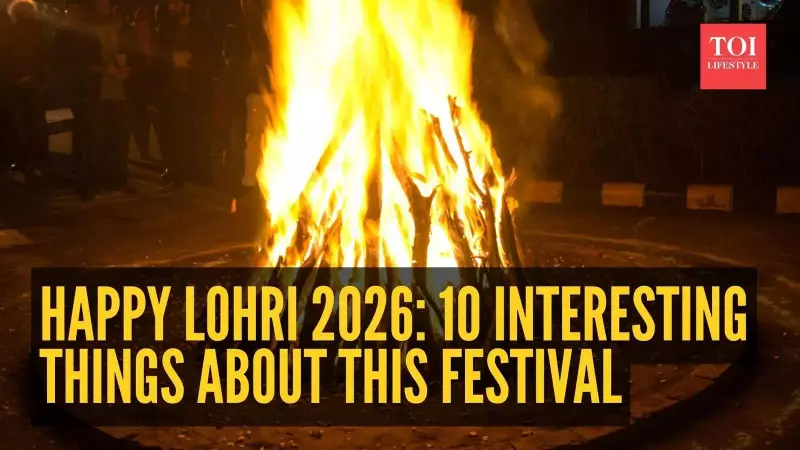
The crackling bonfire is the undisputed centerpiece of Lohri. It's far more than a source of warmth against the winter chill. Families and friends gather around its radiant glow, performing the traditional parikrama—circling the fire while offering prayers, sesame seeds (til), and jaggery (gur). The air fills with the quintessential smoky scent of winter, mixed with the aroma of roasting peanuts and melting gur. This ritual, accompanied by the energetic beats of the dhol, is believed to usher in luck, joy, and prosperity for the coming year.
Essential elements like dry wood, cow dung cakes, and a dash of mustard oil thrown into the flames create that distinctive, earthy fragrance. It's this familiar smell that makes people exclaim, “Now it actually feels like Lohri!”

A Tapestry of Traditions, Food, and Unbridled Joy
Lohri is a sensory and social feast. The festive plate, or Lohri thali, is a beloved tradition. It overflows with symbolic treats:
- Peanuts, Popcorn, and Rewri: Roasted and shared among all.
- Gur and Gajak: Representing the sweetness of life.
- Til (Sesame Seeds) and Coconut: Offered for health and prosperity.
Each bite is a taste of nostalgia, celebration, and shared heritage. The atmosphere is wonderfully alive—children dart around making noise, adults catch up on gossip, and laughter rings constantly.
When the dhol starts its infectious rhythm, inhibitions vanish. Men break into powerful bhangra steps, women form circles for graceful giddha, and children jump around trying to mimic the dancers. The singing of folk songs, especially boliyan praising the folk hero Dulla Bhatti, electrifies the entire gathering.
Special Blessings for New Beginnings
Lohri holds particular significance for families celebrating new additions. For a newborn's first Lohri, the event is doubly sweet. The baby is showered with blessings, gifts, and prayers for a long, healthy, and happy life from all the elders, creating a uniquely tender atmosphere.
Similarly, newlywed couples celebrating their first Lohri after marriage receive special attention. Families gather to bless them for a life filled with love, laughter, and togetherness. Though a simple ceremony, the visible glow on the couple's faces speaks volumes.
More Than a Festival: A Collective Pause for Gratitude
At its core, Lohri is a profound expression of gratitude. It's a time to give thanks—for the harvest, for loved ones, and for life's simple joys. In today's fast-paced world, Lohri forces a beautiful pause. For one evening, generations sit together, phones are forgotten, and the focus shifts entirely to human connection.
This year, as the bonfire lights up on Tuesday night, it serves as a perfect reminder to dance with abandon, sing loudly (even off-key), indulge in too many sweets, and cherish the people who make life warmer than any winter fire. Lohri, in essence, is the warmth of togetherness that sees us through the last of the cold and into the spark of new beginnings.