Lohri 2026: Celebrate the Harvest Festival with Auspicious Muhurat and Puja Vidhi
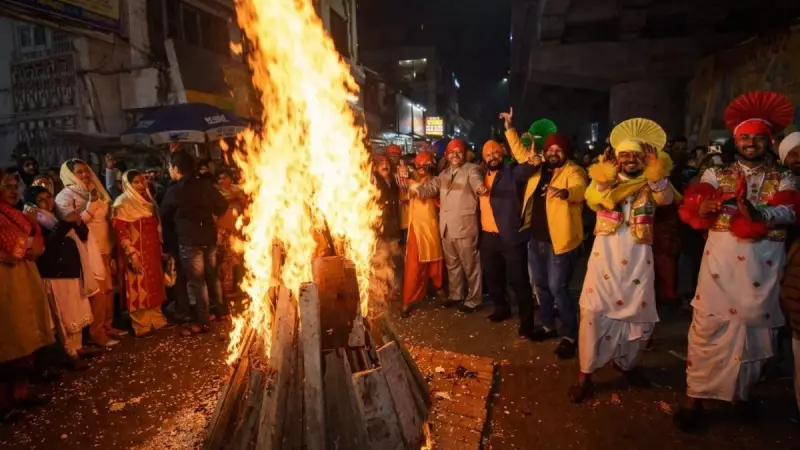
Lohri marks a joyous celebration of the winter harvest in North India. People gather around bonfires, sing folk songs, and share festive foods. The festival typically falls on January 13 or 14 each year. In 2026, Lohri will be observed on Tuesday, January 13.
Auspicious Muhurat Time for Lohri 2026
The muhurat or auspicious time holds great importance for Lohri celebrations. According to Hindu traditions, performing rituals during the right muhurat brings prosperity and good fortune. For Lohri 2026, the muhurat time is from 5:36 PM to 7:59 PM on January 13. This period is considered highly favorable for lighting the bonfire and conducting puja.
Many families prefer to start their celebrations just after sunset. They ensure all preparations are complete before the muhurat begins. The bonfire, known as Lohri di ag, becomes the centerpiece of the festivities during this time.

Step-by-Step Puja Vidhi for Lohri
Following the proper puja vidhi or ritual procedure is essential for Lohri. It involves several traditional steps that devotees perform with devotion.
- Preparation: Clean the area where you will light the bonfire. Gather wood, cow dung cakes, and ghee for the fire.
- Lighting the Bonfire: During the muhurat time, light the bonfire using ghee. Offer prayers to Lord Agni, the fire god, for blessings.
- Offerings: Throw items like popcorn, peanuts, rewari, and gajak into the fire. These symbolize gratitude for the harvest.
- Circumambulation: Walk around the bonfire three or seven times while chanting prayers or singing Lohri songs.
- Prasad Distribution: Share the offered foods as prasad among family and friends after the puja.
People also worship the sun god, Surya, during Lohri. They thank him for the warmth and energy that helped the crops grow.
Traditional Rituals and Celebrations
Lohri is not just about puja. It includes vibrant cultural practices that bring communities together.
- Bonfire Gathering: Families and neighbors gather around the bonfire. They share stories, sing traditional songs like "Sunder Mundriye," and dance to the beat of dhol.
- Festive Foods: Enjoy special Lohri delicacies such as sarson da saag with makki di roti, til ladoo, and gur. These foods are integral to the celebration.
- Newborns and Newlyweds: Lohri holds special significance for families with newborns or newlyweds. They often host larger celebrations and give gifts.
- Charity: Many people donate food and clothes to the needy on this day. It reflects the spirit of sharing and community.
The festival symbolizes the end of winter and the arrival of longer days. It fosters unity and gratitude among people.
Significance of Lohri in Modern Times
Today, Lohri continues to be a beloved festival across India. Urban areas adapt traditions with community bonfires in parks or housing societies. People use the occasion to reconnect with their roots and teach younger generations about cultural heritage.
Schools and organizations often host Lohri events. They include performances, food stalls, and educational sessions about the festival's agricultural origins.
Despite modern changes, the core values of Lohri remain strong. The emphasis on family, harvest, and thankfulness keeps the festival alive and relevant.
As Lohri 2026 approaches, start planning your celebrations. Remember the muhurat time and follow the puja vidhi for a blessed and joyful experience. Embrace the traditions that make Lohri a unique and heartwarming festival in the Indian calendar.