The vibrant and joyous festival of Lohri, a celebration deeply rooted in the agrarian culture of North India, is set to be observed on January 13, 2026. This annual festival, primarily celebrated by Hindu and Sikh communities, heralds the end of the winter solstice and is a heartfelt thanksgiving for a bountiful harvest.
The Significance and Timing of Lohri
Lohri is celebrated every year on the last day of the month of Paush, according to the traditional Hindu calendar. This date falls a day before the festival of Makar Sankranti. While it is fundamentally a harvest festival, marking the time to reap the rabi crops, its significance extends beyond agriculture. Lohri unofficially signals the end of the peak winter season and the gradual lengthening of days. It is a powerful community event centered around gratitude, where people come together to offer prayers to the fire god (Agni) and Mother Nature, seeking blessings for prosperity and abundance in the coming year.
Traditional Celebrations and Customs
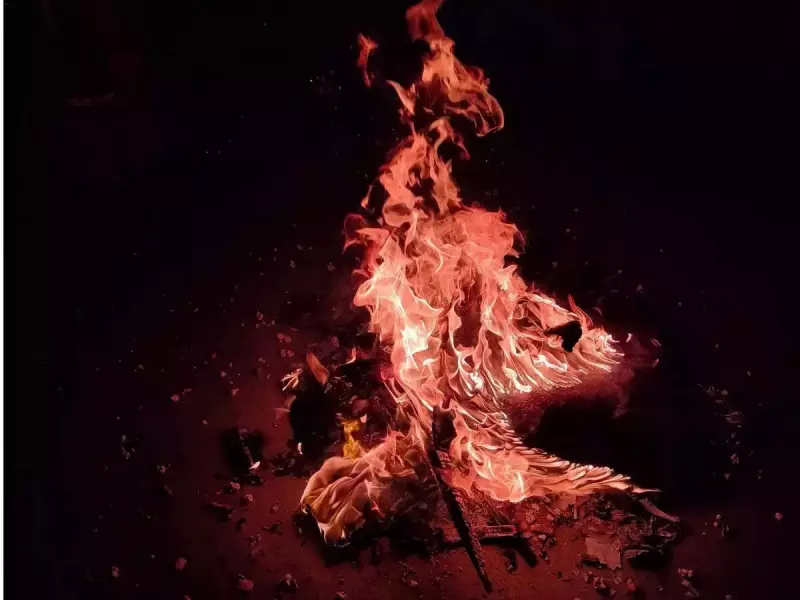
The festivities of Lohri are characterized by warmth, togetherness, and rich cultural rituals. As the sun sets on Lohri day, families and friends gather around a large, communal bonfire. This bonfire is the heart of the celebration, symbolizing the sun's energy, fertility, and the burning away of all negativity and past sorrows.

Participants dress in new clothes, sing traditional folk songs like 'Sunder Mundriye,' and dance to the beat of the dhol. A key ritual involves offering winter-special foods to the sacred fire. These offerings, known as 'Lohri prasad,' typically include popcorn, revri (a sweet made of sesame and jaggery), gajak, and peanuts (moongfali). After the prayers, this prasad is distributed among all attendees.
Children play a special role, going door-to-door singing songs and receiving treats and 'Lohri gifts' from neighbors and relatives. The festival holds extra importance in households that have witnessed a milestone event in the past year, such as a marriage or the birth of a child, where celebrations are even more grand and elaborate.
Adapting Celebrations in the Modern Context
While the spirit of Lohri is one of large, joyful gatherings, recent times have necessitated adaptability. Even as we look ahead to 2026, the importance of following necessary health protocols, if required, remains. However, this should not dampen the festive spirit. The core of Lohri—expressing gratitude and sharing joy—can be celebrated intimately with immediate family or virtually with extended kin.
People can share the joy of the festival by sending heartfelt Lohri greetings, messages, images, and GIFs to loved ones who are far away. Preparing traditional sweets at home, lighting a small lamp or diya, and enjoying a festive meal of sarson ka saag and makki ki roti are wonderful ways to keep the tradition alive within one's household.
As seen in cities like Amritsar, the festive buzz begins days in advance, with markets adorned with kites, sweets, and offerings. Lohri 2026 will be a time to reignite hope, celebrate life's simple harvests, and pray for a future filled with light, love, and prosperity for all.