As the chill of winter begins to recede, the vibrant and joyous festival of Lohri arrives, marking a time of celebration and community in the Punjab region. This popular folk festival, observed primarily by Hindus and Sikhs, is celebrated every year on January 13. It heralds the end of the winter solstice and welcomes longer days as the sun starts its journey back to the northern hemisphere.
The Historical and Cultural Significance of Lohri
The roots of Lohri are deeply embedded in the agrarian culture of Punjab. The ancient significance of the festival is twofold: it is a celebration of the winter crop season and a reverent remembrance of the Sun deity, Surya. Lohri songs often include verses asking the Sun god for warmth and expressing gratitude for his return, symbolizing hope and renewal.
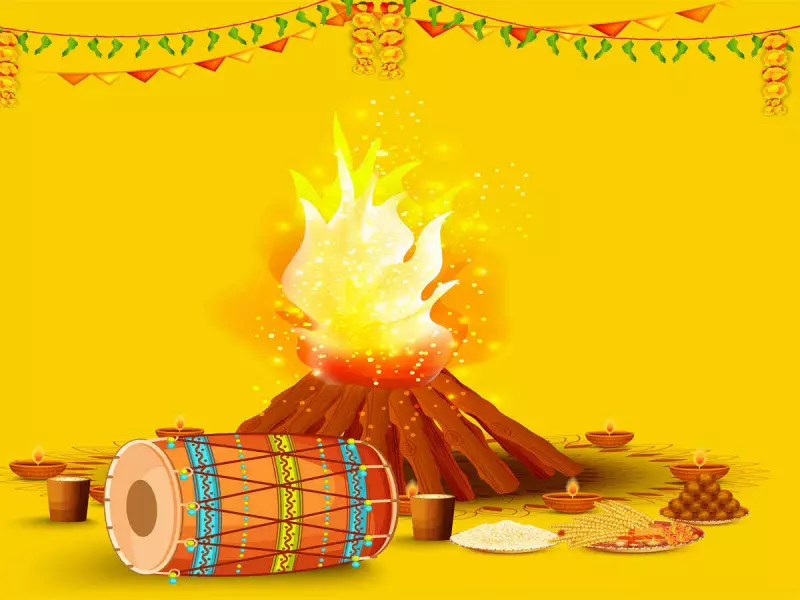
The festival is observed the night before Makar Sankranti, also known as Maghi. Its date is determined by the solar part of the lunisolar Bikrami calendar, which is why it consistently falls around the same day annually. Beyond its connection to the solar cycle, Lohri is also a folk celebration of fire itself, honoring its life-giving energy.

The Legend of Dulla Bhatti: The Hero of Lohri
One of the most cherished legends associated with Lohri is the tale of Dulla Bhatti, a folk hero who lived in Punjab during the reign of the Mughal Emperor Akbar. He is celebrated for his bravery in rescuing Hindu girls from being forcibly taken and sold in slave markets of the Middle East.
Among the girls he saved were two named Sundri and Mundri, whose names have become immortalized in Punjabi folklore and central to Lohri celebrations. This act of defiance and protection turned Dulla Bhatti into a symbol of resistance and righteousness, whose story is sung about for generations.
Lohri Celebrations and Traditional Songs
The heart of Lohri night beats to the rhythm of traditional folk songs sung around a communal bonfire. Children and young adults go from door to door, singing these songs, with the name of Dulla Bhatti featuring prominently. A classic example is the popular song that begins with "Sunder mundriye ho!".
In this call-and-response style, one person leads the verse while the group choruses a loud "Ho!" at the end of each line. The songs express gratitude to Dulla Bhatti and narrate parts of his story. After the performance, the adults of the household reward the singing troupe with snacks, sweets, and money, fostering a spirit of sharing and community.
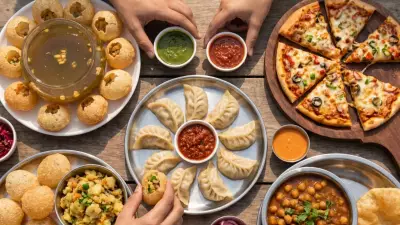
The festivities are incomplete without traditional foods. People enjoy treats like gurh (jaggery), til (sesame seeds), mungfali (peanuts), rewari, and hearty meals such as makki di roti (cornbread) and sarson da saag (mustard greens).
Spreading Joy: Lohri 2026 Wishes and Messages
As Lohri 2026 approaches, people exchange warm wishes to share the joy of the season. These messages often pray for prosperity, health, and happiness, using the imagery of the festival's bonfire to symbolize burning away sorrows.
Common wishes include: "May the Lohri fire burn all the moments of sadness and bring you warmth of joy, happiness and love" and "May this festival of zeal and verve fill your life with lots of energy and enthusiasm." The greetings are often shared in a mix of Punjabi and English, adding to the cultural richness.
Lohri is more than just a festival; it is a vibrant expression of Punjabi culture, a thanksgiving to nature, and a tribute to the heroes of its folklore. As bonfires light up the night sky on January 13, 2026, they will once again symbolize the community's spirit, resilience, and hope for a bountiful harvest and a prosperous year ahead.