Lohri 2026: A Festival of Warmth, Harvest, and New Beginnings
Lohri bursts forth as a vibrant winter harvest festival that symbolizes warmth, prosperity, and fresh starts. This celebration brings families and communities together in a powerful spirit of joy and togetherness. People primarily celebrate Lohri in Punjab and various parts of North India. The festival marks the end of winter's coldest days and welcomes the arrival of longer, sunnier hours.
Lohri 2026: Mahurat Timings and Tithi
Every year, communities celebrate Lohri on January 13, which falls just one day before Makar Sankranti. According to the ancient Bikrami calendar that integrates lunar and solar cycles, Lohri will occur on Tuesday, 13 January 2026. The Lohri Sankranti moment will take place at 03:13 PM on 14 January 2026, as per calculations from Drik Panchang.
Lohri 2026: Rituals and Celebrations
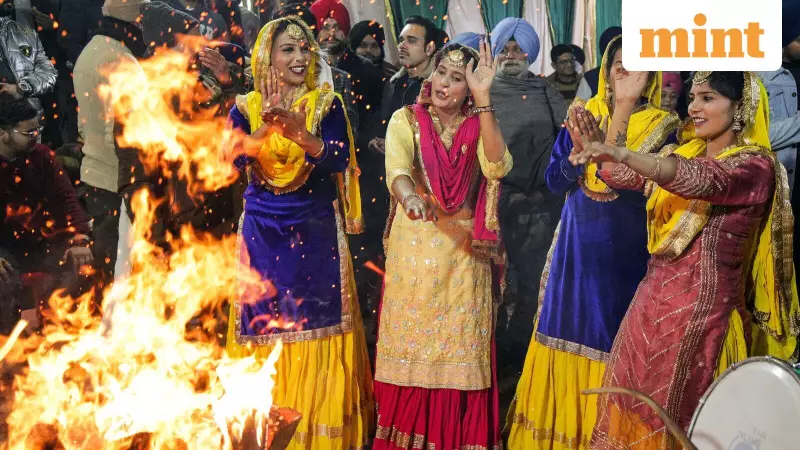
The Lohri festival celebrates the harvest of the rabi crop. People gather in the evening to light large, crackling bonfires. They sing traditional folk songs and dance around the flames with enthusiasm. As a gesture of gratitude, participants offer sesame seeds, jaggery, peanuts, and rewri to the fire.

Families usually perform Lohri rituals in open spaces or outside their homes. Devotees complete a parikrama by circling the bonfire as an essential part of the ceremony. This act symbolizes reverence and completes the ritual observance.
What to Include in Your Lohri Ki Thali?
Preparing a traditional Lohri thali adds authenticity to your celebration. Consider including these classic items:
- Gajak and Rewari: These sweet treats made from sesame and jaggery are festival favorites.
- Peanut Chikki: A crunchy, nutritious snack that represents abundance.
- Til ke Laddoo: Sweet balls made from sesame seeds that symbolize warmth and energy.
- Panjiri: A nourishing mixture often prepared with whole wheat flour, ghee, and dry fruits.
Lohri 2026: History and Origins
Lohri stands as an ancient folk festival of North India with deep roots in Punjab's agrarian culture. Its origins connect directly to the winter solstice, marking that pivotal time when days begin growing longer after winter's coldest phase. Lohri coincides with the end of the Hindu month of Paush and the beginning of Magha.
Folklore weaves Lohri's history around the legend of Dulla Bhatti, a local hero from the Mughal era. People remember Dulla Bhatti for rescuing girls from exploitation and arranging their marriages. Festival songs often praise his bravery and generosity, keeping his legacy alive through generations.
Over centuries, this winter festival evolved into a celebration honoring both the sun god (Surya) and fire (Agni). Communities view these elements as vital sources of life, warmth, and energy essential for crop growth and human survival.
Lohri 2026: Significance and Cultural Importance
Lohri holds immense cultural and agricultural importance across North India. The festival marks the harvest of rabi crops, particularly sugarcane and wheat. Farmers express gratitude to nature for providing a good yield through various rituals.
The central bonfire powerfully symbolizes the sun, renewal, and the burning away of negativity. When people offer sesame seeds, jaggery, peanuts, popcorn, and rewri to the holy fire, these items represent prosperity and communal togetherness.
Socially, Lohri celebrates new beginnings with special significance for newlyweds and families welcoming newborns. The festival symbolizes fertility, happiness, and abundance in these contexts. Beyond formal rituals, Lohri strengthens community bonds through shared music, dance, and collective celebrations. This beautiful festival seamlessly blends history, faith, and collective joy into one unforgettable experience.