As the winter chill begins to recede, India prepares to welcome the vibrant festival of Lohri with open arms and warm hearts. Marking the end of the harsh winter and the arrival of longer days, Lohri is a time for community, gratitude, and merrymaking, primarily celebrated with great fervor in the Punjab region and by Punjabi communities worldwide.
When is Lohri 2026? Mark Your Calendars
The festival of Lohri is celebrated annually on the 13th of January, one day before the auspicious occasion of Makar Sankranti. In the year 2026, Lohri will fall on a Tuesday, January 13. This date is determined by the solar part of the lunisolar Bikrami calendar, making it a solar festival that signifies the sun's transition into the zodiac sign of Makara (Capricorn).
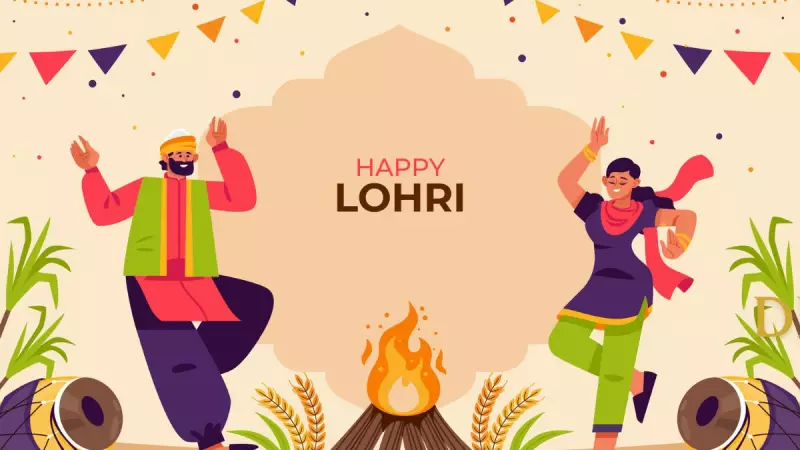
This period, known as Uttarayan, is considered highly auspicious in Hindu tradition. Lohri serves as a grand prelude to this phase, symbolizing the return of warmth and light. The bonfire, or the Lohri fire, is the central element of the celebrations, around which people gather to sing, dance, and offer prayers.

The Heart of the Festival: Traditions and Celebrations
Lohri is deeply rooted in agrarian traditions, celebrating the harvest of the Rabi crops, particularly sugarcane. The festival is a heartfelt thanksgiving to the Sun God, Surya, and the elements of Fire (Agni) for a bountiful yield. The celebrations are a sensory delight, filled with specific rituals, foods, and activities.
The main event is the lighting of a massive bonfire at sunset in open spaces like fields or community grounds. People circle the fire, tossing offerings of popcorn, peanuts, rewari, and gajak into the flames. This act is a symbolic gesture of giving back to the divine. The traditional feast, or Lohri da prasad, includes these very items along with makki di roti (cornbread) and sarson da saag (mustard greens), embodying the essence of the winter harvest.
Folk songs and dances, especially the energetic Bhangra and Gidda, resonate through the night. The beats of the dhol and the lyrics of folk songs often recount the legendary tale of Dulla Bhatti, a Punjabi folk hero who rescued girls from being sold and arranged their marriages, making him an integral part of Lohri lore.
Spreading Joy: Lohri Wishes in Multiple Languages
A key part of the modern celebration involves sharing greetings and good wishes with loved ones. Here is how you can convey your Lohri greetings in English, Hindi, and Punjabi:
English Lohri Wishes:
"May the sacred flames of Lohri burn away all your sorrows and light up your life with happiness, prosperity, and good health. Happy Lohri 2026!"
"Wishing you and your family a harvest of joys, a bonfire of happiness, and a year filled with warmth. Have a blessed Lohri!"
Hindi Lohri Wishes (हिंदी में लोहड़ी की शुभकामनाएं):
"लोहड़ी की पवित्र अग्नि आपके जीवन से सभी बुराइयों को जलाकर खुशियों और समृद्धि की नई किरण लाए। लोहड़ी 2026 की हार्दिक शुभकामनाएं!"
"मक्की की रोटी, सरसों का साग और लोहड़ी की आग, आपके जीवन में लाए खुशियों का भंडार। शुभ लोहड़ी!"
Punjabi Lohri Wishes (ਪੰਜਾਬੀ ਵਿੱਚ ਲੋਹੜੀ ਦੀਆਂ ਸ਼ੁਭਕਾਮਨਾਵਾਂ):
"ਲੋਹੜੀ ਦੀ ਇਸ ਪਵਿੱਤਰ ਅੱਗ ਨਾਲ ਤੁਹਾਡੇ ਸਾਰੇ ਦੁੱਖ-ਦਰਦ ਜਲ ਕੇ ਖ਼ਾਕ ਹੋ ਜਾਣ ਅਤੇ ਤੁਹਾਡੇ ਘਰ ਖੁਸ਼ੀਆਂ ਦੀ ਰੌਣਕ ਆਵੇ। ਲੋਹੜੀ 2026 ਦੀਆਂ ਲੱਖ-ਲੱਖ ਵਧਾਈਆਂ!"
"ਮਕ੍ਕੀ ਦੀ ਰੋਟੀ ਤੇ ਸਰ੍ਸੋਂ ਦਾ ਸਾਗ, ਲੋਹੜੀ ਮਨਾਉਣ ਦਾ ਹੈ ਮੌਕਾ, ਆਓ ਸਾਰੇ ਮਿਲਕੇ ਗਾਉਣ ਗਿੱਧਾ। ਲੋਹੜੀ ਦੀਆਂ ਬਹੁਤ-ਬਹੁਤ ਸ਼ੁਭਕਾਮਨਾਵਾਂ!"

Beyond the Bonfire: The Lasting Significance of Lohri
Lohri is much more than a seasonal festival; it is a powerful symbol of social cohesion and cultural identity. It reinforces community bonds as neighbors and families come together to celebrate. For new parents and newlyweds, it holds special significance, often being the first major celebration after these milestones, with families seeking blessings for the new beginnings.
The festival also beautifully encapsulates the spirit of sharing and caring. The tradition of children going door-to-door singing Lohri songs and receiving treats, a practice reminiscent of 'trick-or-treating,' fosters a sense of community and joy among the younger generation. In essence, Lohri 2026 will once again be a vibrant tapestry of fire, food, folk culture, and fellowship, reminding everyone of the simple joys of life and the importance of gratitude.