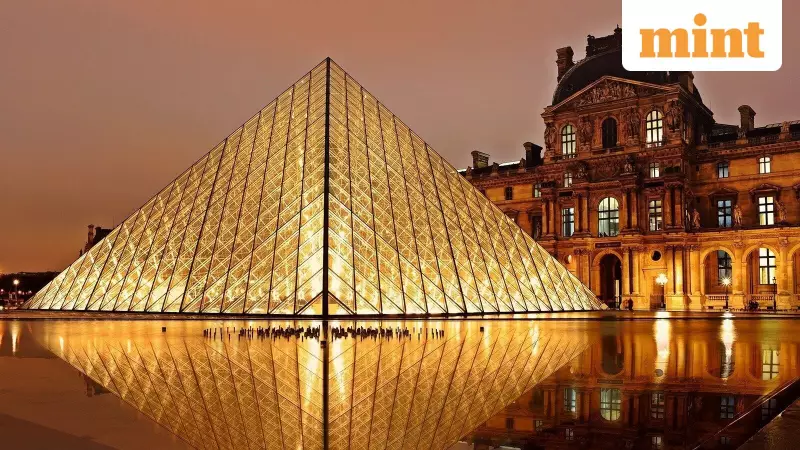
In a significant incident at one of the world's most prestigious museums, a water leak at the Louvre in Paris has resulted in damage to hundreds of works. The museum's administration confirmed on December 7, 2025, that between 300 and 400 items in the Egyptian Antiquities department were affected.
Cause and Immediate Impact of the Leak
The leak was traced back to an accidental valve opening in the museum's heating and ventilation system. Discovered on November 26, the malfunction caused water to seep through the ceiling of the library area located in the Mollien wing.
According to Francis Steinbock, the Louvre's deputy administrator, the damaged material primarily consists of Egyptology journals and scientific documentation used by researchers. Most of these are books and archival items dating from the late 19th to the early 20th centuries.

In a crucial relief for historians and art lovers, the museum clarified that while the documents are "extremely useful," they are "by no means unique." The institution confirmed that no unique heritage artefacts or irreplaceable objects were harmed and believes there are currently no irreparable losses to the collection.
Investigation and Restoration Efforts
The Louvre has initiated an internal investigation to pinpoint the exact cause of the malfunction. Officials acknowledged that the heating system responsible is "completely obsolete" and had been shut down for several months prior to the incident. Its replacement was already scheduled to begin in September 2026 as part of broader renovation plans.
For damage control, the affected works will undergo a careful process of drying and treatment. Subsequently, they will be sent to professional bookbinders for restoration before being returned to the library shelves. Steinbock described the event as "extremely regrettable," and the museum pledged to reinforce its safety protocols to prevent any future recurrence.
A Double Blow: Leak Follows Multi-Million Dollar Heist
The timing of this leak intensifies scrutiny on the Louvre's infrastructure and security, coming just weeks after a separate, high-profile crisis. In a dramatic daylight robbery, a four-member gang executed a jewel heist, stealing items worth an estimated $102 million in a mere seven minutes. This event had already raised serious questions about the security and maintenance at the world's most-visited museum.
In response to this one-two punch of the heist and the leak, the Louvre's board has approved a significant financial measure. Ticket prices for non-EU visitors will increase by 45%, effective January 2026. Tourists from countries including the US, UK, and China will now have to pay €32 for entry, up from the previous rate.
The museum states this move is aimed at generating millions of euros annually to fund urgent structural and security upgrades. With 8.7 million visitors last year—69% of whom were from abroad—the price hike is part of a long-term plan to overhaul the institution's ageing infrastructure and restore global confidence in its ability to protect priceless heritage.