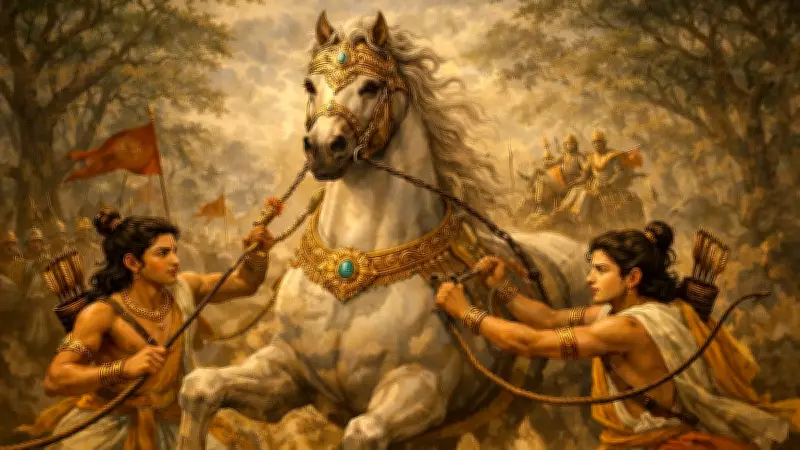
Why Luv and Kush Still Matter in India's 21st-Century Cultural Landscape
In the rich tapestry of Indian mythology, the figures of Luv and Kush, the twin sons of Lord Rama and Sita from the epic Ramayana, hold a profound and enduring significance. As India navigates the complexities of the 21st century, their legacy continues to resonate, bridging ancient epics and diverse religions to shape cultural continuity. This connection is not merely a relic of the past but a living tradition that influences contemporary art, societal values, and national identity.
Bridging Epics and Religions
The story of Luv and Kush transcends the boundaries of Hinduism, finding echoes in various religious and cultural narratives across India. Their tale is intricately linked to the Ramayana, one of India's greatest epics, which has been retold and reinterpreted through centuries in multiple languages and forms. This adaptability allows their legacy to serve as a unifying thread, connecting different communities and fostering a shared heritage. In a nation marked by religious diversity, the universal themes of duty, sacrifice, and resilience embodied by Luv and Kush promote harmony and mutual respect.
Shaping Cultural Continuity
Luv and Kush's influence extends beyond mythology into the realms of art, literature, and popular culture. Their depictions in traditional paintings, modern films, and digital media highlight their relevance in today's fast-paced world. For instance, their roles as valiant warriors and wise rulers inspire contemporary discussions on leadership and ethics. Moreover, festivals and rituals associated with their stories, such as those during Diwali or regional celebrations, keep their memory alive, ensuring that younger generations remain connected to their roots. This cultural continuity is crucial in an era of globalization, where preserving indigenous narratives helps maintain a distinct Indian identity.

Impact on Modern Values and Identity
In the 21st century, the principles exemplified by Luv and Kush—such as loyalty, justice, and familial bonds—continue to inform Indian societal values. Their journey from exile to reclaiming their rightful place resonates with themes of struggle and triumph that are relevant in today's context of social and political challenges. Additionally, their story encourages a reflection on gender roles and environmental stewardship, as seen in Sita's resilience and the twins' connection to nature. By integrating these ancient lessons into modern life, India cultivates a culture that honors tradition while embracing progress, making Luv and Kush timeless symbols in the evolving cultural landscape.