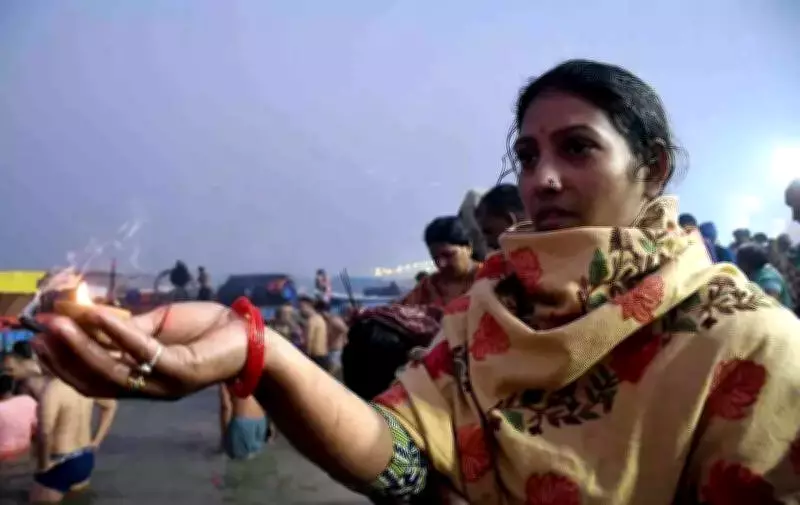
Magh Mela 2026 Creates History with Record-Breaking Devotee Turnout in Prayagraj
The annual spiritual congregation of Magh Mela 2026, held on the sacred banks of the Ganga in Prayagraj, has shattered all previous records, achieving new heights in spirituality, divinity, and sheer scale. This 44-day mega religious event not only deepened the faith of millions but also established an unparalleled benchmark in terms of grandeur and participation.
Unprecedented Footfall and Comparative Growth
The Magh Mela 2026 witnessed an astonishing gathering of over 22.10 crore devotees, who took the holy dip at the Sangam, the confluence of the Ganga, Yamuna, and Saraswati rivers. This figure represents a monumental increase, being more than three times the footfall of the 2024 Magh Mela, which recorded six crore attendees. Furthermore, it surpassed the 2013 Kumbh Mela by 1.69 times, as that event saw 12 crore devotees.
When examining historical data, the growth trajectory is starkly evident. The crowd volumes for previous Magh Melas were: 2020 at four crore, 2021 at 3.56 crore, 2022 at 4.30 crore, 2023 at nine crore, and 2024 at six crore. The leap to 22.10 crore in 2026 marks a historic milestone, with no other Magh Mela ever witnessing such a massive assembly. This number approximates 90% of Uttar Pradesh's population and exceeds the populations of many Indian states, underscoring the event's national significance.

Enhanced Infrastructure and Government Initiatives
The success of Magh Mela 2026 was bolstered by the persistent efforts of mela authorities and robust support from the state government, led by Chief Minister Yogi Adityanath. Their initiatives transformed the Sangam city, making the mela more elegant, magnificent, and divine than ever before. A special nagar was established near Nagbasuku Road to accommodate over four lakh kalpwasis, ensuring comfortable stays for long-term devotees.
From common worshippers to revered seers and saints, everyone reaffirmed their faith on this sacred occasion. The participation of diverse groups, including the Kinnar Akhara—an affiliate of the Juna Akhara—added to the spiritual vibrancy, with many practicing disciplines like hatha yoga.
Key Bathing Festivals and Organizational Participation
The 44-day event saw a steady influx of devotees, with major bathing festivals recording peak participation. The breakdown includes:
- Paush Purnima: 31 lakh devotees
- Makar Sankranti: 1.03 crore devotees
- Mauni Amavasya: 4.52 crore devotees
- Basant Panchami: 3.56 crore devotees
- Achla Saptmi: 2.01 crore devotees
- Maghi Purnima: 2.10 crore devotees
- Mahashivratri: 40 lakh devotees
Over 4,300 religious, social, and spiritual organizations actively participated, strictly adhering to tradition by taking the holy dip on all six main snan occasions: Paush Purnima, Makar Sankranti, Mauni Amavasya, Basant Panchmi, Maghi Purnima, and Mahashivaratri.
Innovative Digital Initiatives and Crowd Management
A standout feature of Magh Mela 2026 was the introduction of the Digital Magh Mela initiative. For the first time, a dedicated mobile app was launched, providing real-time information and updates to devotees, enhancing their experience and safety.
In terms of crowd management, the traditional Bhoole Bhatke Shivir (Lost & Found camp) proved highly effective, reuniting 3,397 lost individuals with their families. This success highlights the meticulous planning and execution by authorities, ensuring a smooth and secure environment for all attendees.
The Magh Mela 2026 has not only set a new spiritual standard but also demonstrated how tradition and modernity can coalesce to create an event of monumental scale and divine grace, leaving an indelible mark on India's cultural and religious landscape.