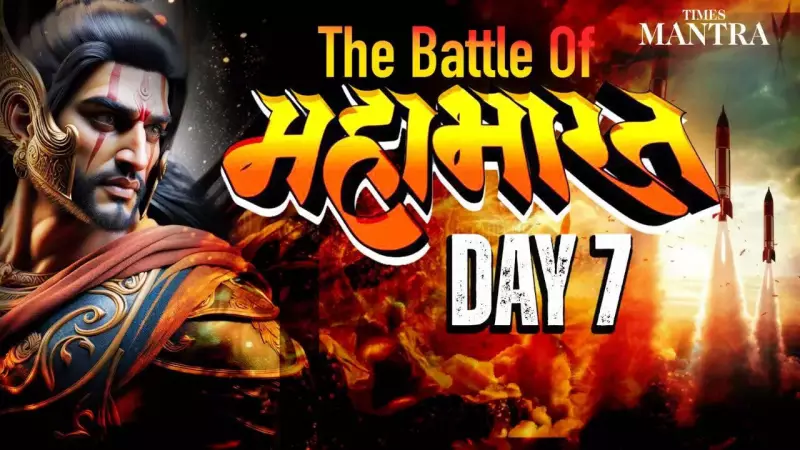
Strategic Warfare and Heroic Duels in the Mahabharat Epic
During the intense and pivotal days of the Mahabharat war, the battlefield of Kurukshetra became a grand stage where strategy, raw courage, and the unfolding of destiny converged in a dramatic spectacle. This ancient conflict, as detailed by scholar K. L. Upadhyay, transcends mere physical combat, offering profound insights into human conduct and spiritual principles that remain relevant across ages.
Bhishma Pitamah's Mastery of Vyooh Rachna
Bhishma Pitamah, the revered commander of the Kaurava forces, left both allies and foes in awe with his implementation of magnificent vyooh rachna or battle formations. His strategic acumen displayed an unparalleled wisdom and mastery over the art of warfare, orchestrating troops in complex arrays that were designed to maximize strength and exploit enemy weaknesses. This aspect of the war highlights how tactical brilliance often outweighs sheer force, serving as a lesson in leadership and planning.
Ashwatthama's Intense Confrontation with Shikhandi
One of the most emotionally charged episodes involved Ashwatthama in a fierce and relentless battle against Shikhandi. This duel peeled back layers of fate, personal honour, and deep-seated inner conflict, as both warriors grappled with their roles in the larger narrative. Their clash underscores the Mahabharat's exploration of moral dilemmas and the heavy burdens carried by those bound by duty and destiny on the battlefield.

Nakul and Sahdev's Valiant Stand Against Shalya
On another critical front, the twin warriors Nakul and Sahdev demonstrated remarkable bravery by fearlessly confronting the mighty Shalya, the king of Madra and a formidable opponent. Against overwhelming odds, their courage and skill shone through, embodying the spirit of resilience and the unwavering commitment to dharma that defines many of the epic's heroes. This encounter reinforces the theme that valour often emerges in the face of adversity.
Deeper Lessons Beyond Weapons and Formations
As K. L. Upadhyay elucidates, these war episodes extend far beyond the clashing of weapons and the arrangement of military formations. They serve as reflective mirrors into the core principles of dharma and ethical human conduct, offering timeless wisdom on sacrifice, duty, and spiritual insight. The Mahabharat, therefore, emerges not just as a tale of conflict, but as a rich tapestry where strategy, personal sacrifice, and profound spiritual understanding intertwine to guide future generations.
In essence, the Mahabharat war stands as a monumental epic that continues to captivate and educate, revealing how ancient narratives hold enduring truths about life, leadership, and the human condition.