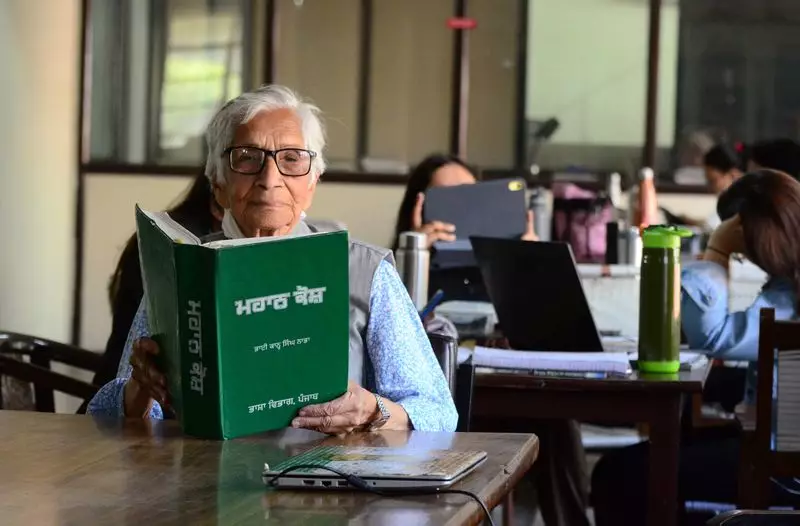
The annual Mela Ghadri Babeyan Da in Jalandhar witnessed a significant cultural disappointment this year as visitors found the iconic Mahan Kosh encyclopedia conspicuously absent from the Punjab Language Department's exhibition stall. Despite the department's prominent participation in the three-day event dedicated to celebrating Punjab's revolutionary heritage, the absence of this monumental literary work raised questions about the preservation and promotion of Punjabi cultural treasures.
Historical Significance of the Missing Encyclopedia
The Mahan Kosh, created by the legendary scholar Bhai Kahn Singh Nabha, represents one of the most comprehensive encyclopedias of Punjabi literature and Sikh philosophy. First published in 1930, this monumental work contains over 70,000 words and concepts that form the foundation of Punjabi cultural and religious understanding. Its absence at a cultural event of this magnitude was particularly noticeable to scholars, students, and history enthusiasts who had specifically visited the Language Department stall hoping to view this masterpiece.
Department officials present at the stall confirmed that while they had displayed various other publications, the Mahan Kosh was not among them. This omission occurred despite the encyclopedia being one of the department's most significant publications and a cornerstone of Punjabi literary heritage. The three-day mela, which concluded recently, serves as an important platform for honoring the Ghadar movement and promoting Punjabi culture, making the absence of such a crucial literary work even more puzzling.

Public Reaction and Cultural Implications
Visitors expressed their disappointment openly, with many questioning how the Language Department could overlook displaying what many consider the definitive reference work on Punjabi language and culture. "The Mahan Kosh is not just a book; it's the identity of our language and heritage," remarked one elderly visitor who had traveled specifically to see the encyclopedia. "Its absence at such an important cultural event makes one wonder about our commitment to preserving our literary treasures."
The situation highlights a broader concern about the accessibility of important cultural resources to the general public. While the Language Department maintains that the Mahan Kosh remains available through other channels, its unavailability at a major public event like Mela Ghadri Babeyan Da suggests a disconnect between institutional resources and public engagement. Cultural activists noted that such events provide ideal opportunities to introduce younger generations to foundational works like the Mahan Kosh, opportunities that were missed this year.
Institutional Responsibility and Future Expectations
The Punjab Language Department, as the custodian of this literary treasure, faces increased scrutiny regarding its role in promoting Punjabi language and culture. The department's participation in cultural events is expected to showcase the best of Punjabi literary achievements, with the Mahan Kosh naturally occupying center stage in such exhibitions. Its absence raises questions about institutional priorities and the practical implementation of cultural preservation mandates.
As cultural events like Mela Ghadri Babeyan Da play a crucial role in keeping Punjab's revolutionary and literary heritage alive, stakeholders are calling for more thoughtful curation of displayed materials. The expectation is that future events will see the Language Department not only displaying the Mahan Kosh but also creating engaging ways to help visitors understand its significance and content. Such efforts could include digital displays, guided explanations, or special sessions dedicated to this monumental work that took Bhai Kahn Singh Nabha fourteen years to complete.
The incident serves as a reminder that preserving cultural heritage requires both safeguarding physical artifacts and ensuring their accessibility to the public. As Punjab continues to celebrate its rich history through events like Mela Ghadri Babeyan Da, the display and promotion of foundational works like the Mahan Kosh must remain a priority for institutions tasked with cultural preservation.