Maharashtra Forts Secure Rs 21 Crore for Conservation Amid Staffing Crisis
In a significant move to preserve India's rich historical heritage, two prominent forts in Maharashtra have been granted a substantial allocation of Rs 21 crore for conservation and restoration efforts. This funding, announced recently, aims to address the deteriorating conditions of these ancient structures, which hold immense cultural and historical value for the region.
Focus on Structural Restoration and Security Enhancements
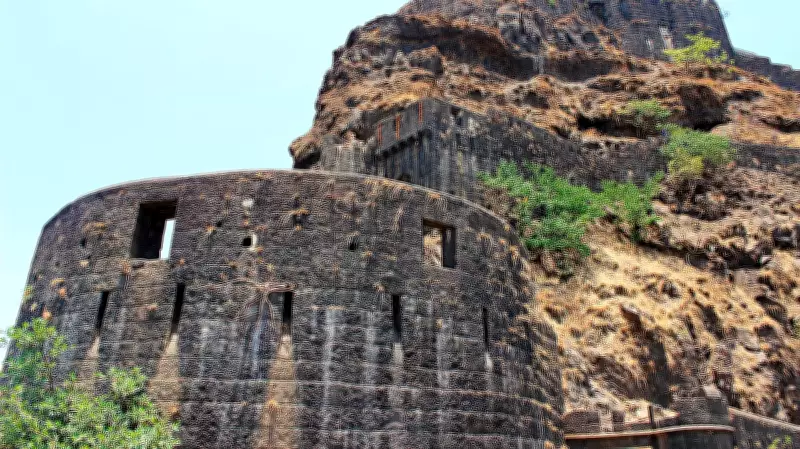
The allocated funds are earmarked for critical conservation tasks, including the restoration of fortification walls and the rehabilitation of old, crumbling structures. A key priority is repairing damaged sections that have unfortunately become vulnerable entry points for illegal trespassers. These breaches not only compromise the structural integrity of the forts but also pose serious risks to their preservation, as unauthorized access can lead to vandalism and further degradation.
Conservation efforts will involve meticulous work to reinforce the architectural elements, ensuring that the forts can withstand environmental factors and human interference. Experts emphasize that this restoration is crucial for maintaining the historical authenticity of the sites, which attract tourists and researchers alike, contributing to local tourism and educational initiatives.

Staff Crunch Emerges as a Major Protection Challenge
Despite the promising financial injection, a pressing challenge looms over the conservation project: a severe staff crunch that threatens to undermine protection measures. The shortage of personnel, including security guards, maintenance workers, and conservation specialists, raises concerns about the ability to effectively monitor and safeguard the forts against ongoing threats like illegal trespassing.
This staffing issue highlights a broader dilemma in heritage management, where funding alone may not suffice without adequate human resources to implement and sustain conservation strategies. Authorities are now grappling with how to balance restoration work with the need for round-the-clock surveillance to prevent unauthorized entries that could negate the benefits of the Rs 21 crore investment.
Broader Implications for Heritage Conservation in India
The situation with these Maharashtra forts underscores a common challenge in India's heritage conservation landscape: securing funds is often easier than ensuring long-term protection through dedicated staffing. As the restoration progresses, stakeholders are calling for integrated solutions that combine financial support with strategic hiring and training programs to build a robust workforce capable of preserving these historical treasures.
In summary, while the Rs 21 crore allocation marks a positive step forward for conserving Maharashtra's forts, the concurrent staff crunch poses a significant hurdle. Effective protection will require not just monetary resources but also a concerted effort to address human resource gaps, ensuring that these ancient structures are preserved for future generations to appreciate and study.