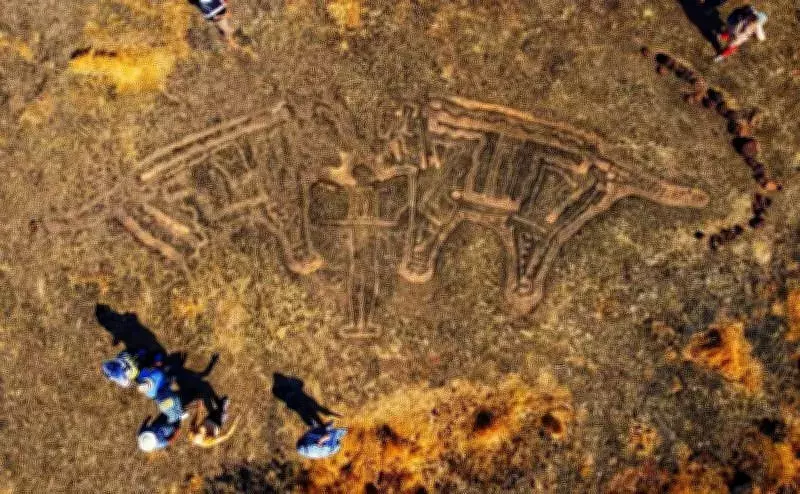
Maharashtra Launches Major Initiative to Preserve Ancient Konkan Rock Carvings
The Maharashtra state cultural department has taken a significant step towards safeguarding its rich historical legacy by sanctioning a substantial fund of Rs 15 crore. This allocation is dedicated to establishing a World Heritage Desk, a specialized unit aimed at conducting in-depth research, comprehensive documentation, and effective conservation efforts for more than 1,000 ancient rock carvings, known as geoglyphs or petroglyphs, discovered along the Konkan coastline and plateau region. Cultural Minister Ashish Shelar announced this initiative, highlighting its importance for preserving invaluable heritage.
Additional Funding for Fort Research and UNESCO Nomination Push
In a parallel move, the department has sanctioned another Rs 50 lakh to support a research centre under Mumbai University in Malvan. This centre will focus on the study of four historic forts in Sindhudurg district: Sindhdurg, Padmadurg, Rajkot, and Sarjekot. Minister Shelar emphasized that a formal proposal has been submitted to the government, seeking nomination of the Konkan petroglyphs to UNESCO. This effort aims to secure international recognition, underscoring the global significance of these ancient artifacts. "These rock carvings in Konkan are considered extremely significant for understanding the lifestyle, culture, and the biological and social heritage of prehistoric human societies," Shelar stated, reinforcing the cultural and historical value of the petroglyphs.
Operational Framework and Strategic Branches of the World Heritage Desk
The World Heritage Desk is scheduled to function from 2026 to 2029, with a mandate to undertake extensive research, identify new sites, and systematically document findings. To ensure a holistic approach, two dedicated branches will be established in Mumbai and Ratnagiri. The Mumbai branch will concentrate on studying international research literature, creating a comprehensive database, developing criteria in accordance with UNESCO standards, and undertaking academic research and documentation. Conversely, the Ratnagiri branch will conduct extensive field surveys, GPS-based mapping, drone-assisted documentation of the petroglyphs, collection of local folklore, and public awareness initiatives. This dual-branch strategy aims to combine theoretical research with practical fieldwork for a thorough understanding and preservation of the sites.

Scientific Research and Implementation Details
The project will also include scientific research to determine the antiquity of these carvings and establish the period of their creation. This involves expenditure on skilled manpower, scientific testing, specialised equipment, transportation, and other related requirements. The implementation of the project has been entrusted to the Directorate of Archaeology and Museums in Mumbai, ensuring expert oversight and management. Additionally, Shelar revealed plans to produce a documentary film on the petroglyphs, which will serve as an educational tool to raise public awareness and showcase the region's historical treasures to a broader audience.
This comprehensive initiative not only aims to protect and study the Konkan petroglyphs but also positions Maharashtra as a leader in heritage conservation, with potential global recognition through UNESCO. The efforts reflect a commitment to preserving ancient history for future generations while promoting cultural tourism and academic research in the region.