Mahashivratri 2026: A Comprehensive Guide to Sacred Observances
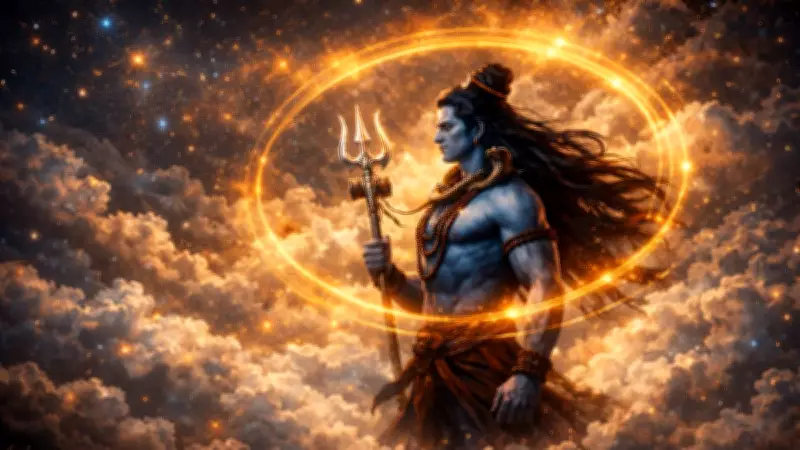
Mahashivratri, one of the most significant festivals in Hinduism, is dedicated to the worship of Lord Shiva. In 2026, this auspicious occasion falls on Saturday, February 14th. Devotees across India and around the world will observe this day with fasting, prayers, and elaborate rituals to seek the blessings of Bhole Nath. The festival is celebrated with great fervor, marking the convergence of Shiva and Shakti, and is believed to be the night when Lord Shiva performed the cosmic dance of creation, preservation, and destruction.
Char Prahar Puja Timings for Mahashivratri 2026
The puja on Mahashivratri is traditionally divided into four prahars, or time periods, each with specific significance. According to astrological calculations, the timings for Mahashivratri 2026 are as follows:
- First Prahar: 6:27 PM to 9:29 PM on February 14, 2026
- Second Prahar: 9:29 PM on February 14 to 12:31 AM on February 15, 2026
- Third Prahar: 12:31 AM to 3:33 AM on February 15, 2026
- Fourth Prahar: 3:33 AM to 6:35 AM on February 15, 2026
These timings are based on the prevailing planetary positions and are crucial for performing the puja at the most auspicious moments. Devotees often stay awake throughout the night, engaging in continuous worship during these prahars to maximize spiritual benefits.

Step-by-Step Puja Vidhi for Mahashivratri
Performing the puja with devotion and adherence to traditional vidhi is essential for a fruitful Mahashivratri observance. Here is a detailed guide to the puja vidhi:
- Preparation: Begin by cleaning the puja area and taking a purifying bath. Wear clean, preferably white or saffron, clothes to symbolize purity.
- Setup: Place an idol or image of Lord Shiva on a clean platform. Decorate it with flowers, especially bel leaves and datura, which are sacred to Shiva.
- Invocation: Light a diya and incense sticks to create a sacred atmosphere. Chant the Om Namah Shivaya mantra to invoke the deity's presence.
- Offerings: Offer fruits, sweets, and milk-based items like kheer as prasad. Bel leaves, flowers, and bilva patra are considered highly auspicious.
- Prayers: Recite Shiva mantras, such as the Maha Mrityunjaya Mantra, and read from scriptures like the Shiva Purana to deepen spiritual connection.
- Aarti: Conclude the puja by performing aarti with a camphor-lit lamp, singing hymns in praise of Lord Shiva.
Following this vidhi with sincerity is believed to bring peace, prosperity, and divine grace to the devotees.
Abhishek Rituals: The Sacred Bath of Lord Shiva
Abhishek, or the ritual bathing of the Shiva lingam, is a central part of Mahashivratri worship. This ceremony involves pouring various sacred substances over the lingam, each symbolizing different aspects of devotion and purification. The traditional abhishek items include:
- Water: Represents purity and the cleansing of sins.
- Milk: Symbolizes nourishment and the flow of divine blessings.
- Honey: Denotes sweetness and the attraction of positive energies.
- Curd: Stands for prosperity and abundance in life.
- Ghee: Embodies enlightenment and the removal of ignorance.
- Sugar: Signifies happiness and the sweetness of devotion.
During the abhishek, devotees chant mantras and pour these substances in a specific order, often starting with water and ending with milk. This ritual is performed with deep reverence, as it is believed to please Lord Shiva and grant boons to the worshippers. Many temples organize special abhishek ceremonies on Mahashivratri, attracting large crowds of devotees.

Significance of Mahashivratri Worship
Mahashivratri holds profound spiritual significance in Hindu mythology. It is considered the night when Lord Shiva saved the universe by consuming the poison that emerged during the churning of the ocean, thus earning the title Neelkanth. Observing fasts and performing puja on this day is said to absolve sins, overcome obstacles, and lead to moksha, or liberation from the cycle of birth and death. The festival also emphasizes the importance of discipline, devotion, and self-control, as devotees abstain from food and engage in night-long vigils.
In 2026, with Mahashivratri coinciding with Valentine's Day on February 14th, it offers a unique blend of spiritual and cultural observances. Devotees are encouraged to plan their puja according to the char prahar timings to align with cosmic energies. Whether performed at home or in temples, the rituals of Mahashivratri foster a sense of community and spiritual renewal, making it a cherished event in the Hindu calendar.