Bhatpara Assembly Constituency: A Crucial Electoral Arena in West Bengal
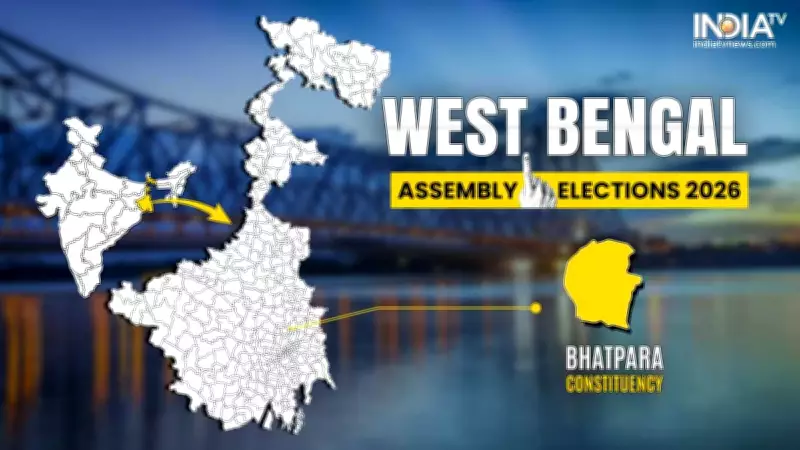
The Bhatpara assembly constituency, located in the North 24 Parganas district of West Bengal, is emerging as a significant battleground as political parties gear up for the state assembly elections scheduled for 2026. This constituency has historically been a focal point of intense political competition, reflecting broader trends in the state's dynamic electoral landscape.
Historical Context and Past Winners
Bhatpara has witnessed a series of closely contested elections over the years, with outcomes often swinging between major political forces. In the previous assembly elections, the constituency saw a victory by the Bharatiya Janata Party (BJP), marking a shift in its traditional political alignment. Prior to that, the constituency was often represented by candidates from the All India Trinamool Congress (TMC) and its predecessor alliances, highlighting the area's evolving voter preferences.
The past winners list includes notable figures who have shaped local governance and policy. For instance, in the 2021 West Bengal assembly elections, the BJP candidate secured the seat, capitalizing on anti-incumbency sentiments and strategic campaigning. Earlier, TMC candidates had held sway, benefiting from the party's strong organizational base and populist schemes. This historical turnover underscores Bhatpara's reputation as a bellwether constituency, where electoral results can signal broader political shifts in the region.
Vote Margin Analysis and Electoral Dynamics
Vote margins in Bhatpara have typically been narrow, indicating a highly competitive political environment. In the last election, the winning margin was relatively slim, often less than 5,000 votes, which emphasizes the importance of grassroots mobilization and voter outreach efforts. Factors such as demographic changes, urbanization, and local issues like employment and infrastructure development play a crucial role in influencing these margins.
Key demographic segments, including youth voters, minority communities, and migrant populations, have significant sway in determining outcomes. Political analysts note that parties focusing on hyper-local issues, such as water supply, sanitation, and educational facilities, tend to gain an edge. Additionally, the constituency's proximity to Kolkata adds layers of complexity, with urban-rural divides impacting campaign strategies.
Party-Wise Candidates and Strategies for 2026
As the 2026 elections approach, major political parties are expected to field strong candidates in Bhatpara to capitalize on its strategic importance. The BJP is likely to nominate a candidate with a strong local connect, aiming to retain its hold by emphasizing development projects and national security themes. The TMC, on the other hand, may focus on a candidate with a proven track record in governance, highlighting state-level welfare schemes and regional pride.
Other parties, such as the Indian National Congress (INC) and left-front alliances, might also contest, though their influence has waned in recent cycles. Candidate selection will be critical, with parties weighing factors like caste equations, community representation, and anti-incumbency trends. Campaign strategies are expected to leverage digital outreach, door-to-door canvassing, and public rallies to sway undecided voters.
Future Outlook and Implications
The outcome in Bhatpara could have ripple effects across West Bengal, influencing alliances and policy directions post-2026. A victory for the BJP might bolster its efforts to expand its footprint in the state, while a TMC win could reinforce its dominance in regional politics. Voter turnout, which has been high in past elections, will be a key indicator of public engagement and political fervor.
In summary, the Bhatpara assembly constituency stands as a microcosm of West Bengal's electoral battleground, with its past winners, tight vote margins, and anticipated party candidates shaping the narrative for the 2026 polls. As parties finalize their strategies, this constituency will undoubtedly be a hotspot to watch, offering insights into the broader political trajectory of the state.