The All-Night Vigil: Mahashivratri Abhishekam Explained
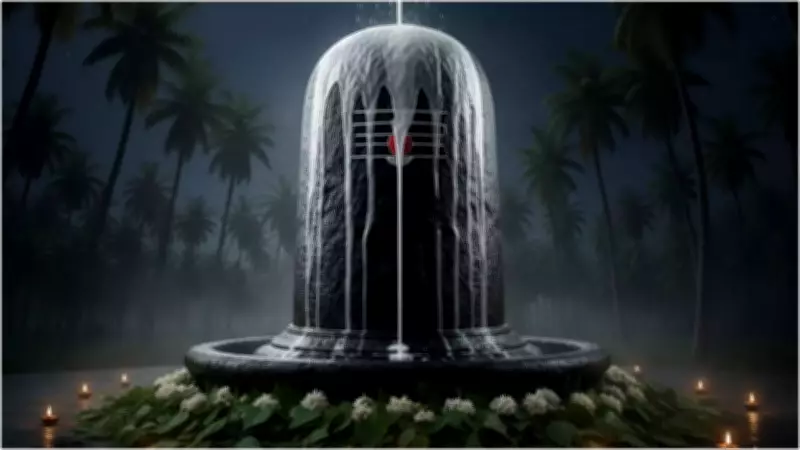
Every year, devotees across India and beyond observe Mahashivratri by staying awake all night in temples, engaging in deep spiritual practices to honor Lord Shiva. This sacred tradition centers around the ritual of Abhishekam, where priests pour holy offerings over the Shiva Linga from early morning until well past midnight. The ceremony is not merely a religious act but a profound blend of devotion, astrology, and personal healing.
What is Abhishekam and Its Symbolic Offerings?
Abhishekam is a Vedic ceremony involving the sequential pouring of sacred substances over the Shiva Linga. Each offering carries specific symbolic meanings and astrological associations:
- Water: Represents purification and is believed to calm the Moon, aiding in stress relief and emotional balance.
- Milk: Symbolizes health and peace, linked to Venus and the Moon, promoting relaxation and improved relationships.
- Honey: Associated with Mercury, it is thought to enhance communication skills and mental clarity, making life sweeter.
- Curd: Connected to Jupiter, it signifies nourishment, stability, and growth in one's life.
- Ghee: Tied to the Sun and Jupiter, it embodies strength, faith, and a deep spiritual connection.
- Vibhuti (Sacred Ash): Reminds devotees of life's impermanence and is believed to soothe Saturn, helping manage karmic burdens and heavy thoughts.
These offerings are accompanied by continuous chanting of mantras and prayers, creating a meditative atmosphere that allows participants to momentarily escape their daily worries.

Astrological Significance of Lord Shiva and Mahashivratri
In Vedic astrology, Lord Shiva is often associated with the planet Saturn (Shani) and the nodal energies of Rahu and Ketu. He represents themes of self-discipline, individuality, karma, and spiritual evolution. Devotees believe that seeking Shiva's blessings can mitigate negative astrological influences, such as those experienced during challenging periods like Sade Sati, Shani Mahadasha, or Rahu-Ketu transits.
Mahashivratri is considered especially potent for such practices due to the heightened cosmic energy of the night, which is said to amplify the effects of spiritual rituals. This makes Abhishekam not just a religious observance but a strategic astrological remedy for many.
Psychological and Emotional Impacts of the Ritual
Beyond its astrological claims, Abhishekam offers significant mental and emotional benefits. The rhythmic chanting, tactile experience of the offerings, and focused intention work synergistically to create a tranquil environment. This setting enables devotees to release stress, emotional baggage, and find inner peace.
For many, participating in Mahashivratri Abhishekam serves as a therapeutic break from their hectic lives, fostering a sense of calm and improved concentration. Spiritual practitioners often report feeling lighter, more centered, and emotionally balanced after the ceremony.
The Deeper Message: Letting Go and Spiritual Surrender
Mahashivratri Abhishekam transcends mere ritualistic practice; it embodies a philosophy of surrender and detachment. Lord Shiva's teachings encourage letting go of desires and ego, and the ceremony facilitates this by allowing devotees to symbolically offer their problems as gifts to the divine.
This act of surrender is seen as a path to both earthly resolution and spiritual liberation, reinforcing the idea that sometimes, the most effective way to improve one's circumstances is to release control.
Whether viewed through a religious, self-healing, or astrological lens, Mahashivratri Abhishekam remains a deeply cherished tradition. It continues to provide solace and guidance, reminding participants of the power of faith and the importance of spiritual connection in navigating life's challenges.