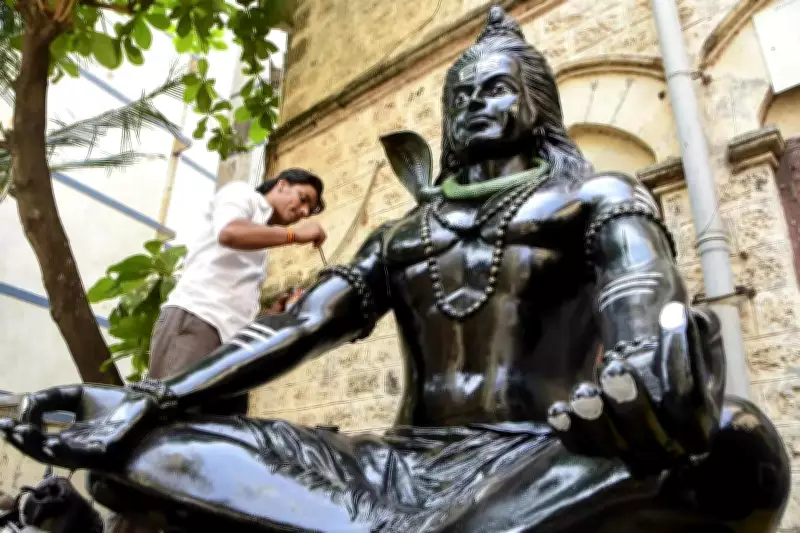
Mahashivratri: A Festival of Alertness and Inner Awakening
Unlike most festivals that thrive on activity, sound, and movement, Mahashivratri stands out as a unique observance centered on alertness. This sacred night calls for staying awake, both inwardly and outwardly, shifting focus from external celebrations to internal awareness. The awakening associated with Mahashivratri is not about sudden spiritual breakthroughs but rather about cultivating a deeper consciousness of what typically remains unconscious in daily life.
The Biological Advantage of Nighttime Receptivity
At night, distractions naturally diminish as the world slows down, and the mind becomes quieter by default. Mahashivratri leverages this biological reality, where staying awake is not an act of resisting sleep but an opportunity to observe the mind when it is free from habitual patterns. Many individuals report experiencing sharper awareness, clearer thoughts, or sudden insights during this time, simply because the usual noise of daily life subsides.
Stillness as the Core Principle of Shiva
Shiva, the deity revered on Mahashivratri, symbolizes stillness. The festival aligns the body and mind with this principle through practices like fasting, staying awake, and observing silence. These actions redirect energy from outward flow to inward movement, fostering heightened awareness. By turning attention inward, practitioners begin to notice thoughts, emotions, and behavioral patterns instead of being controlled by them, which is the essence of awakening.

Astrological Influences Enhancing Mental Clarity
This year, several astrological factors amplify the themes of Mahashivratri. An Aquarius stellium increases mental activity, leading to rapid thoughts and information overload. Mahashivratri offers a conscious pause from this stimulation, helping to break mechanical thinking and promote alertness without reactivity.
Saturn in Pisces brings unresolved emotions, fears, and memories to the surface, making many feel heavier or more introspective during the night. This is not a sign of weakness but a step toward awareness, as growth often begins with confronting what is usually avoided.
Ketu in Leo reduces the need for validation, making it easier to sit with oneself without seeking external approval. This supports the process of shedding unnecessary layers, which is central to awakening.
Mahashivratri as a Conscious Reset
Mahashivratri functions like a reset button, not through magical events but by consciously stepping out of routine. Altering sleep cycles, eating patterns, and mental rhythms breaks the monotony, leading to increased awareness. Many people feel calmer, clearer, or more centered the following day, often without understanding why, highlighting the subtle power of this practice.
In essence, Mahashivratri teaches that awareness grows when activity reduces, and stillness has a more profound waking effect than noise ever can. This night of awakening encourages a shift from celebration to introspection, offering a path to deeper self-understanding and spiritual growth.