Mahasweta Devi: A Powerful Voice for the Marginalised
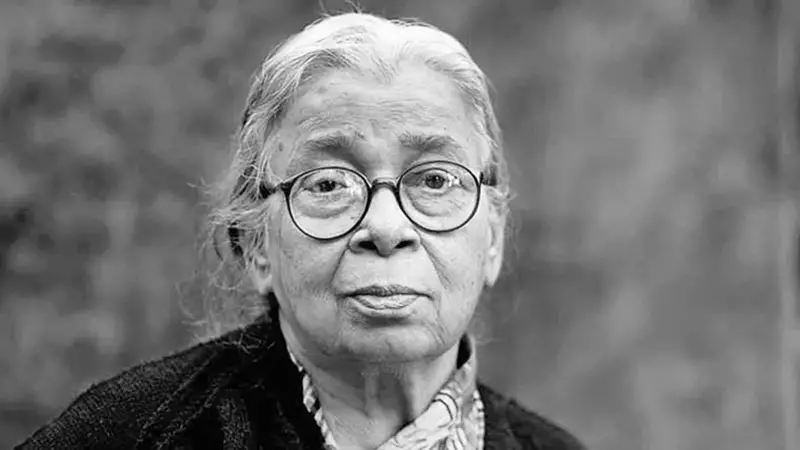
Mahasweta Devi stood as one of India's most influential literary figures. She worked as an author, activist, and journalist. Her efforts gave a platform to the voiceless. Through her writing and social work, she highlighted the struggles of tribal communities, landless labourers, and the oppressed. Her impact on Indian literature and social thought remains profound.
Confronting the State Through Storytelling
In her short story 'Behind the Bodice: Choli ke Pichhe', Mahasweta Devi begins with a sharp critique. She lists national issues like crop failures, earthquakes, and caste violence. She calls them "nonissues" that fail to gain media attention. Instead, she focuses on what lies beneath the surface. This approach defined her career. She pulled back the bodice of state propaganda to reveal ground realities. Her writing urged the powerful to tell the truth, not just the official version.
A Turning Point in Her Career
After publishing 'Hajaar Churashir Maa' in 1974, Mahasweta Devi's work shifted. This novel examined Bengal's Bhadralok society through a savarna woman's perspective. It explored the betrayal of the Naxal movement. Following this, she reinvented herself as a writer. She dove into the lives of the rural poor, especially Adivasis. Her book 'Aranyer Adhikar' fictionalised the life of Birsa Munda. She spent decades questioning if policies like minimum wage and land redistribution truly helped these communities.

The Critical Question: Did She Speak Over Adivasis?
Today, Ambedkarites and Periyarites raise important questions about public discourse. They ask who gets to shape narratives. Did Mahasweta Devi, coming from a privileged savarna background, corner the microphone? Did she inadvertently speak over Adivasi voices? This debate gains urgency in modern discussions on representation and power.
Amplifying Subaltern Voices Through Bortika
Evidence suggests Mahasweta Devi did the opposite of silencing others. She inherited the magazine Bortika from her father. She used it to publish writings from marginalised groups. Her call for submissions was inclusive. She sought contributions from migrant labourers, rickshaw pullers, Adivasi teachers, and poor farmers. This platform launched many voices.
- Manoranjan Byapari, a Dalit writer, published his first piece in Bortika in 1981.
- Chuni Kotal, a young Adivasi woman, shared her hunger struggles in school in 1982.
- Kotal later faced discrimination at university and tragically died by suicide in 1992.
The Labour Behind Bortika and State Relations
Running Bortika for two decades required immense effort. Mahasweta Devi criticised the state, particularly the Left Front in West Bengal. Yet, the magazine relied on government advertisements for funding. This paradox raises questions. Did the state respect her as a worthy adversary? Perhaps they valued her insights, even while disagreeing with her critiques.
Conclusion: A Complex Legacy
Mahasweta Devi's work continues to spark debate. She used her privilege to highlight injustices. She provided a platform for the subaltern. However, her savarna identity invites scrutiny in today's context. Her legacy reminds us to constantly evaluate who speaks and who is heard in public discourse.