Mahavir Jayanti 2026: A Deep Dive into the Sacred Jain Festival
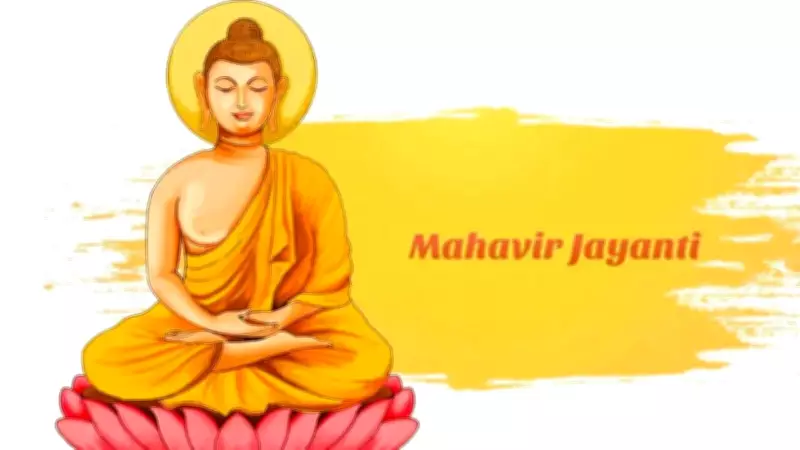
Mahavir Jayanti stands as the most prominent and revered festival celebrated by the global Jain community. This auspicious day commemorates the birth anniversary of Lord Mahavir, the 24th and final Tirthankara in Jainism, who is renowned as a profound spiritual teacher and proponent of dharma. In 2026, the festival falls on Tuesday, March 31, offering devotees an opportunity to honor his legacy through prayer, reflection, and charitable acts.
Mahavir Jayanti 2026: Date and Time
The observance is meticulously timed according to the Hindu lunar calendar. The Trayodashi Tithi, which marks the thirteenth day of the Shukla Paksha in the month of Chaitra, begins on March 30, 2026, at 07:09 AM and concludes on March 31, 2026, at 06:55 AM. This period aligns with the traditional birth timing of Lord Mahavir, ensuring that celebrations are held with astrological precision.
The Historical and Spiritual Significance
For Jains worldwide, Mahavir Jayanti holds immense religious and cultural significance, celebrated with great enthusiasm and fervor. Lord Mahavir, born as Vardhaman to King Siddhartha and Queen Trisala, is honored as one of the most influential Jain saints. His birth is surrounded by divine lore; according to tradition, his mother experienced a series of auspicious dreams during pregnancy. The Svetambara sect believes she saw 16 dreams, while the Digambara sect holds that she witnessed 14, symbolizing his destined spiritual greatness.

Historical accounts vary slightly between Jain traditions. Swetambars state that Lord Mahavir was born in 599 BC in Kundalagrama, Bihar, whereas Digambars cite 615 BC as his birth year. Despite being born into royal luxury, he renounced materialism at age thirty, embarking on a rigorous 12-year penance in the forest to seek inner peace and ultimate salvation. This journey underscores his teachings on detachment and spiritual pursuit.
Core Teachings of Lord Mahavir
Lord Mahavir's philosophy centers on ethical principles that guide Jain life. His key teachings, followed devoutly by the community, include:
- Non-Violence (Ahimsa): Emphasizing harmlessness to all living beings, as violence disrupts inner peace.
- Truthfulness (Satya): Advocating honesty in all actions, with lying considered a spiritual sin.
- Chastity (Brahmacharya): Encouraging celibacy and avoidance of sensual pleasures.
- Non-Attachment (Aparigraha): Teaching detachment from material possessions and relationships, recognizing their impermanence.
- Non-Stealing (Asteya): Prohibiting theft and emphasizing respect for others' property.
These principles form the foundation of Jain ethics, promoting harmony, peace, and spiritual growth.
Puja Rituals and Celebrations
Devotees observe Mahavir Jayanti through a series of sacred rituals and community activities:
- Begin the day with a holy bath to purify the body and mind.
- Perform abhishekam (ritual bathing), offer flowers, and install idols of Lord Mahavira in temples and homes.
- Present fruits and sweets as offerings, with processions featuring chariots carrying the idol through streets.
- Engage in charitable acts, such as donating clothing and feeding the underprivileged, to embody selflessness.
- Observe strict fasting, abstaining from food and water to cultivate discipline and devotion.
- Attend temple lectures that discuss the path of virtue and Lord Mahavir's teachings, drawing thousands of followers.
- Consume only satvik cuisine—fresh, vegetarian meals without onions or garlic—to maintain purity and non-violence.
These practices not only honor Lord Mahavir but also reinforce the community's commitment to his ideals of non-violence and compassion.
In summary, Mahavir Jayanti 2026 serves as a powerful reminder of Lord Mahavir's enduring legacy. Through its rich rituals, profound teachings, and historical depth, the festival continues to inspire millions to pursue a life of peace, truth, and spiritual enlightenment.